Book Appointment Now


Chlamydia and Pregnancy: Miscarriage Risk and Prevention
Learn how chlamydia during pregnancy can affect miscarriage risk, fetal health, and future pregnancies. Get evidence-based facts on prevention, symptoms, and safe treatment options for pregnant women from Lesbian STD.
Discovering you’re pregnant is often a moment filled with joy and anticipation. Alongside the excitement, many women find themselves navigating a new landscape of health considerations. One common concern that can emerge during this time is the presence of sexually transmitted infections (STIs) like chlamydia, and how they might impact pregnancy outcomes.
The thought of an STI during pregnancy can be unsettling, especially when considering potential risks such as miscarriage or complications for the baby. We’re here to provide clear, medically reviewed, research-based content to help you understand these concerns without sensationalism.
At Lesbian STD, we believe in empowering women with the knowledge to make informed decisions about their sexual and reproductive health. Understanding the facts about chlamydia and pregnancy is crucial for protecting both your well-being and your baby’s. You’ll find more evidence-based guidance on various aspects of women’s sexual health and STI prevention right on our home page.
What is Chlamydia, and How Does it Affect Pregnancy?
Chlamydia is a common bacterial STI caused by Chlamydia trachomatis. It’s often asymptomatic, meaning many people don’t know they have it. During pregnancy, an untreated chlamydia infection can ascend into the uterus, potentially causing complications. This bacterial presence can create an inflammatory environment that affects the developing fetus or the integrity of the pregnancy itself.
According to the Centers for Disease Control and Prevention (CDC), chlamydia is one of the most frequently reported bacterial infectious diseases in the United States, and screening is recommended for all pregnant women. Without treatment, the infection can lead to serious health problems for both the mother and baby, as detailed by the CDC on Chlamydia.
Does chlamydia increase the risk of miscarriage?
Yes, untreated chlamydia during pregnancy is associated with an increased risk of miscarriage. The infection can lead to inflammation and damage within the reproductive system, potentially disrupting the uterine environment necessary for a healthy pregnancy. Early detection and treatment are crucial to mitigating this risk.
When chlamydia goes untreated, especially in the early stages of pregnancy, it can cause infections in the amniotic sac or lead to premature rupture of membranes. These complications significantly raise the likelihood of early pregnancy loss. We’ve seen in our practice how important early screening is to prevent these silent issues.
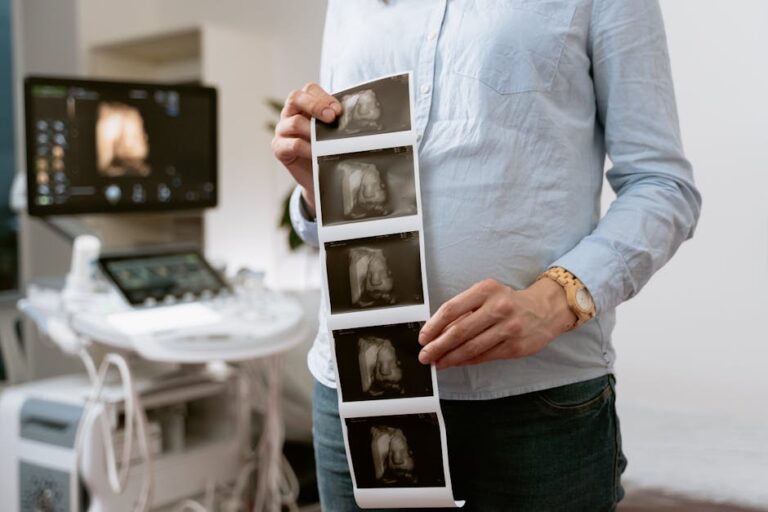
Chlamydia and pregnancy first trimester
Chlamydia infection in the first trimester poses particular risks, including a higher chance of miscarriage and ectopic pregnancy. Asymptomatic infections can progress silently, impacting the developing pregnancy before any symptoms appear. This underscores the importance of early prenatal screening for all STIs.
An ectopic pregnancy occurs when the fertilized egg implants outside the main cavity of the uterus, often in a fallopian tube. This is a life-threatening condition for the mother and the pregnancy cannot survive. Untreated chlamydia can cause scarring in the fallopian tubes, making an ectopic pregnancy more likely. Early signs of pregnancy are often indistinguishable from early ectopic pregnancy symptoms, making medical evaluation essential for any concerns.
“Infections during pregnancy can have a cascade of negative effects, and chlamydia, though often silent, is a significant contributor to adverse pregnancy outcomes, including early loss. Prompt diagnosis and treatment are non-negotiable for maternal and fetal health.”
If you have chlamydia while pregnant can it affect the baby?
Yes, chlamydia can indeed affect the baby if left untreated during pregnancy. During vaginal childbirth, the baby can be exposed to the bacteria as it passes through the birth canal. This can lead to neonatal chlamydial infections, most commonly affecting the eyes (conjunctivitis) and lungs (pneumonia).
Neonatal chlamydial conjunctivitis typically manifests within the first few weeks after birth, causing redness, swelling, and discharge from the baby’s eyes. Chlamydial pneumonia can develop between 3 weeks and 3 months of age, characterized by a persistent cough and difficulty breathing. Both conditions are serious and require prompt medical attention for the newborn. Board-certified providers recommend careful monitoring and immediate treatment if these infections are suspected.
Can you cure chlamydia while pregnant?
Yes, chlamydia can be effectively cured during pregnancy with antibiotics. Certain antibiotics are safe for use during pregnancy and will eliminate the infection, preventing further complications for both the mother and the baby. It’s crucial to complete the entire course of medication as prescribed by your healthcare provider.
The recommended treatments typically involve a single dose of azithromycin or a 7-day course of amoxicillin. Doxycycline, a common chlamydia treatment, is generally avoided during pregnancy due to potential risks to fetal bone and tooth development. After treatment, a test-of-cure is often recommended several weeks later to ensure the infection has cleared completely. This is a critical step to reduce complications, as our clinic adheres to strict follow-up protocols.
What To Look For: Signs of Chlamydia During Pregnancy
One of the most challenging aspects of chlamydia is its often silent nature. Many women, including those who are pregnant, won’t experience any noticeable symptoms. This is why routine screening is so vital. However, if symptoms do appear, they might include:
- Unusual vaginal discharge, which might be yellow or white.
- Pain or burning sensation during urination.
- Pain during sex.
- Abdominal pain or lower back pain.
- Bleeding between periods or after sex.
- Rectal pain, discharge, or bleeding if the infection is in the rectum.
Remember, these signs of pregnancy early or very early signs of pregnancy 1 week, alongside unusual symptoms, should always prompt a conversation with your healthcare provider. Your medical provider will guide you through testing and, if necessary, safe treatment options. We emphasize adhering to clear guidelines and transparency in all health services, similar to the importance of understanding our terms of service for clinical care.
How to Prevent Chlamydia in Pregnancy
Preventing chlamydia during pregnancy centers on safer sex practices and regular screening. For women who have sex with women, understanding specific transmission risks is key. While penetrative vaginal or anal sex is a common route, transmission can also occur through oral-genital contact, sharing sex toys, or direct vulva-to-vulva contact.
- **Consistent Screening:** The CDC recommends that all pregnant women be screened for chlamydia at their first prenatal visit. If you’re at increased risk (e.g., new sex partner, multiple partners), additional screening in the third trimester might be recommended.
- **Open Communication with Partners:** Talk to your partner(s) about their STI status. Encourage them to get tested before engaging in sexual activity, especially if you’re planning a pregnancy.
- **Safer Sex Practices:** Use barrier methods like condoms or dental dams consistently and correctly. While condoms offer protection against many STIs, they don’t cover all skin-to-skin contact areas.
- **Regular STI Testing:** Even outside of pregnancy, regular STI testing for yourself and your partners is a cornerstone of prevention. Pro tip: Use with HIV testing ages 13-64; quick blood tests are used to identify early.
- **Avoid Sharing Sex Toys:** If sharing, wash toys thoroughly with soap and water or cover them with a new condom between partners.

Considering Other Factors: Beyond Chlamydia
While this post focuses on chlamydia, it’s important to recognize that many factors can affect pregnancy health. Other STIs, like gonorrhea or syphilis, also pose significant risks during pregnancy and necessitate routine screening. Moreover, conditions unrelated to STIs, such as uterine abnormalities or hormonal imbalances, can also contribute to miscarriage risk.
This commitment to comprehensive health is why Jenna Hardy, the primary author and voice of Lesbian STD, emphasizes a holistic view of sexual and reproductive well-being. Focusing solely on one potential issue can obscure other vital health concerns. Always discuss all your health history and any concerns with your healthcare provider, including any signs of pregnancy, to ensure a complete evaluation and appropriate care plan. You can find more trusted information on our website, ensuring you’re equipped to make informed health decisions.
“A proactive approach to prenatal care, which includes comprehensive STI screening alongside general health assessments, is the strongest defense against preventable complications. It’s not just about treating problems, but preventing them from taking root.”
What to Expect After Treatment and For Future Pregnancies
If you test positive for chlamydia while pregnant and receive treatment, the outlook is generally very positive. The antibiotics typically clear the infection quickly. Most women go on to have healthy pregnancies and deliveries without further chlamydia-related complications. A retest after treatment is crucial to confirm the infection is gone, usually 3-4 weeks later.
For future pregnancies, having had chlamydia in the past, especially if treated promptly, generally doesn’t prevent you from conceiving or carrying a healthy pregnancy. However, untreated or recurrent infections can lead to pelvic inflammatory disease (PID), which can cause scarring in the fallopian tubes, increasing the risk of ectopic pregnancy or infertility. This is why ongoing prevention and regular screening, even between pregnancies, are vital for long-term reproductive health.
Navigating pregnancy and sexual health requires careful attention and evidence-based information. Understanding the risks associated with chlamydia during pregnancy, knowing how to prevent it, and recognizing the importance of early detection and treatment are powerful tools for safeguarding your health and your baby’s. Don’t hesitate to speak openly with your healthcare provider about any concerns or questions you have regarding your sexual health, especially during pregnancy. Your informed choices make all the difference.