Book Appointment Now

Fertility and Untreated STIs: Long-Term Effects
Understand the serious impact of untreated STIs on fertility for both women and men. Learn which infections pose the greatest risk, how they affect reproductive health, and steps you can take to protect your future.
The desire to start or expand a family is deeply personal. For many women, navigating the complexities of reproductive health is a significant part of their life journey. However, a silent threat can often undermine these aspirations: sexually transmitted infections (STIs). Left undiagnosed and untreated, certain STIs can have profound and lasting effects on fertility, making conception difficult, if not impossible.
You might be concerned about your reproductive future or wondering if past exposures could impact your ability to conceive. Understanding the connection between untreated STIs and fertility challenges is crucial for proactive health management. Early detection and treatment are paramount to preserving your reproductive potential and overall well-being.
At Lesbian STD, we provide evidence-based, medically reviewed information to empower women to make informed decisions about their sexual and reproductive health. Our expertise in infectious diseases and women’s health guides our approach to issues like STI screening in early pregnancy, which we detail in our comprehensive guides. We aim to equip you with the knowledge to reduce complications and ensure a healthier future.
What Exactly Are STIs and How Do They Impact Fertility?
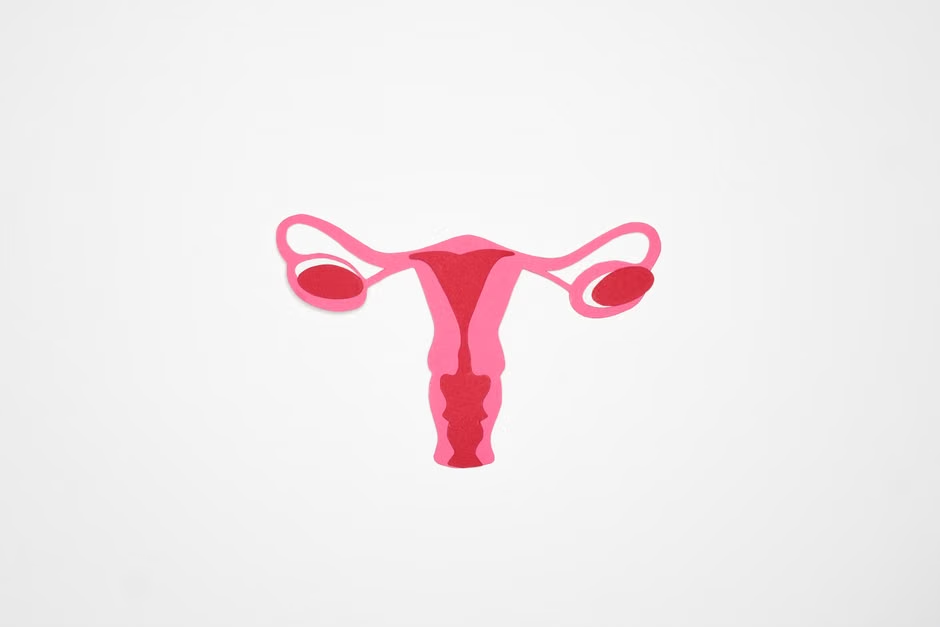
Sexually transmitted infections, or STIs, are infections passed from one person to another through sexual contact. These can include bacterial, viral, and parasitic infections. While some STIs present with clear symptoms, many are asymptomatic, meaning you can have an infection without knowing it, silently causing damage.
The impact on fertility stems from the inflammatory response and subsequent scarring these infections can cause within the reproductive system. For women, this often means damage to the fallopian tubes, uterus, or ovaries. For men, it can affect the testes, epididymis, or seminal ducts, interfering with sperm production or transport. “Untreated STIs can lead to chronic inflammation and scar tissue formation, significantly impairing the delicate structures essential for reproduction,” notes a publication by the Centers for Disease Control and Prevention (CDC).
Infertility is medically defined as the inability to conceive after 12 months of regular, unprotected sexual intercourse, or after six months if the woman is over 35 years of age. STIs are a leading preventable cause of this condition worldwide.
Which STI Can Cause Infertility If Left Untreated?
Chlamydia and gonorrhea are the most common bacterial STIs that, if left untreated, can lead to infertility in women. These infections can ascend from the cervix into the upper reproductive tract, causing pelvic inflammatory disease (PID). Syphilis can also impact fertility, especially if it progresses to later stages, affecting overall reproductive health and fetal development.
Chlamydia and Gonorrhea: The Silent Destroyers
These two bacterial infections are notorious for their asymptomatic nature, particularly in women. You might not experience any noticeable symptoms, allowing the infection to persist and spread. When chlamydia or gonorrhea ascends into the uterus and fallopian tubes, it can cause pelvic inflammatory disease (PID).
PID is an infection of the female reproductive organs that can lead to abscesses, scarring, and permanent damage to the fallopian tubes. Scarred fallopian tubes can block the path of the egg to the uterus or prevent sperm from reaching the egg, making natural conception difficult or impossible. Furthermore, even if conception occurs, scarred tubes increase the risk of an ectopic pregnancy, a life-threatening condition where a fertilized egg implants outside the uterus.
Our clinical experience shows us that early and specific screening, especially during pregnancy, is vital. We’ve seen firsthand how crucial it is to address infections like Chlamydia and Pregnancy risks, and the prevention strategies for Gonorrhea in Pregnancy.
Syphilis and Its Reproductive Impact
While less commonly associated with direct infertility, untreated syphilis can have severe consequences for reproductive health, particularly during pregnancy. Congenital syphilis, passed from a pregnant person to their baby, can lead to miscarriage, stillbirth, prematurity, low birth weight, or serious health problems in the baby. This is why the CDC encourages high-risk pregnant women to screen during the first visit and 3rd trimester, as we explain in our detailed guide on Syphilis in Pregnancy: Congenital Outcomes and Treatment.
Untreated STD in Females: Specific Mechanisms of Infertility
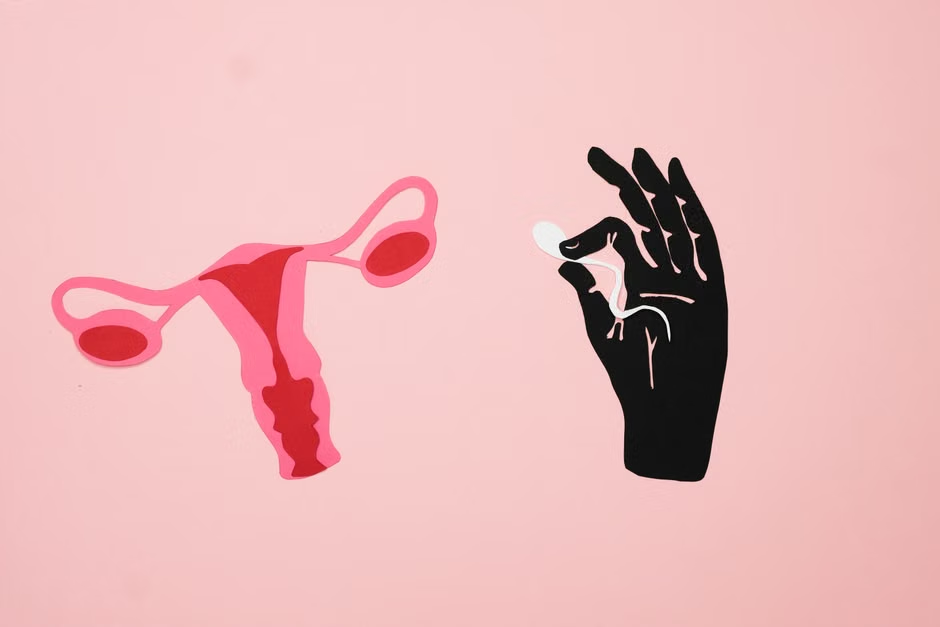
When STIs go unchecked in women, the reproductive system faces multiple threats. The primary mechanism involves the spread of infection from the lower genital tract (cervix, vagina) upwards into the uterus, fallopian tubes, and ovaries. This ascent of bacteria, most commonly Chlamydia trachomatis and Neisseria gonorrhoeae, leads to inflammation and infection of these organs.
The subsequent inflammation can result in:
- **Pelvic Inflammatory Disease (PID):** This is the most significant cause of STI-related female infertility. PID leads to scarring, adhesions, and blockages in the fallopian tubes, preventing eggs from traveling to the uterus or sperm from reaching the egg.
- **Tubal Factor Infertility:** Damage to the fallopian tubes can be partial or complete, affecting their ability to capture and transport an egg. Even subtle damage can impair the cilia, tiny hair-like structures that help move the egg, increasing the risk of ectopic pregnancy.
- **Ovarian Involvement:** In some severe cases of PID, the ovaries can become infected, forming tubo-ovarian abscesses (TOAs). While less common, extensive damage to the ovaries could potentially impact egg quality or ovarian function.
- **Uterine Scarring:** Though less direct for fertility than tubal damage, severe inflammation or infections within the uterus (endometritis) can potentially affect implantation or overall uterine health.
“Infection with Chlamydia trachomatis is the most common bacterial STI and a significant cause of preventable infertility due to tubal damage, particularly in women with asymptomatic infections.”
HPV, while not directly causing infertility, is a leading cause of cervical cancer and precancerous lesions. Treatments for these conditions, such as LEEP (Loop Electrosurgical Excision Procedure) or conization, can sometimes affect cervical function, potentially impacting fertility or increasing the risk of preterm birth.
Can STDs Cause Infertility in Males?
Yes, STIs can absolutely cause infertility in males, though the mechanisms differ from those in females. Similar to women, untreated bacterial STIs like chlamydia and gonorrhea are the main culprits. While it’s often overlooked, male fertility screening is an important component of understanding reproductive health for a couple.
In men, these infections can lead to conditions such as:
- **Epididymitis:** This is an inflammation of the epididymis, a coiled tube at the back of the testicle that stores and carries sperm. Untreated epididymitis can cause scarring and blockages, preventing sperm from being ejaculated.
- **Orchitis:** Inflammation of the testicles, which can occur alone or alongside epididymitis (epididymo-orchitis). Severe or recurrent infections can impair sperm production directly within the testes.
- **Urethritis:** Inflammation of the urethra can also contribute to scarring, potentially affecting semen transport.
- **Reduced Sperm Quality:** Even without complete blockage, chronic inflammation from untreated STIs can negatively impact sperm count, motility (how well sperm move), and morphology (sperm shape), all of which are crucial for successful fertilization.
While some people explore options like letrozole for fertility treatments, understanding the underlying cause, such as an untreated STI, is the first and most critical step in addressing male infertility. Addressing the infection can sometimes restore or improve fertility, though existing scarring might pose permanent challenges.
What Are the Long-Term Consequences of Untreated STDs?
The long-term effects of STIs extend far beyond just fertility challenges. An untreated STD for 3 years, or even less, can lead to a cascade of health problems impacting multiple organ systems. These consequences can be severe, chronic, and significantly diminish quality of life.
Some of the long-term impacts include:
- **Chronic Pelvic Pain:** Persistent inflammation and scar tissue from PID in women can cause ongoing pelvic pain, discomfort during intercourse (dyspareunia), and painful menstrual periods.
- **Ectopic Pregnancy Risk:** As mentioned, tubal damage from STIs dramatically increases the risk of ectopic pregnancy, which is a medical emergency requiring immediate attention.
- **Increased HIV Susceptibility:** Having an untreated STI, especially those causing genital sores or inflammation, can make it easier to acquire or transmit HIV.
- **Cervical Cancer:** Persistent high-risk Human Papillomavirus (HPV) infection is the primary cause of cervical cancer. Untreated HPV infections can progress to cancer over many years.
- **Systemic Organ Damage:** Untreated syphilis, particularly in its later stages, can affect the heart, brain, nervous system, eyes, and bones, leading to neurological disorders, blindness, heart failure, and even death.
- **Neonatal Complications:** If an STI is present during pregnancy and remains untreated, it can be passed to the baby, causing severe health problems, developmental delays, or even death for the newborn.
These long-term effects underscore why early diagnosis and treatment are non-negotiable for sexual and reproductive health. Jenna Hardy, the primary author and voice of Lesbian STD, emphasizes the need for comprehensive screening protocols to prevent these outcomes.
Protecting Your Fertility: Practical Tips
Preserving your fertility and overall sexual health requires proactive measures and consistent vigilance. Here are practical steps you can take:
- **Practice Safer Sex Consistently:** Use barrier methods like condoms or dental dams correctly every time you have sex. This significantly reduces the risk of STI transmission. Discussing safer sex practices is part of enabling informed health decisions.
- **Get Regular STI Screenings:** Don’t wait for symptoms. Many STIs are asymptomatic. Follow CDC recommendations for routine screening based on your age, sexual activity, and risk factors. Pro tip: Use with HIV testing ages 13-64; quick blood tests are used to identify early.
- **Communicate with Partners:** Openly discuss STI status and testing history with new or ongoing partners. We cover this in depth in our guide on Partner Communication About STI Testing and Health Status.
- **Seek Immediate Treatment:** If you test positive for an STI, begin treatment as prescribed by your healthcare provider without delay. Completing the full course of medication is crucial to eradicating the infection and reducing complications.
- **Get Vaccinated:** The HPV vaccine can protect against the strains of HPV most commonly associated with cervical cancer and genital warts, thereby reducing risks that could indirectly impact fertility treatments or cervical health.
- **Avoid Douching:** Douching can disrupt the natural balance of bacteria in the vagina, potentially increasing the risk of bacterial vaginosis and making you more susceptible to STIs.
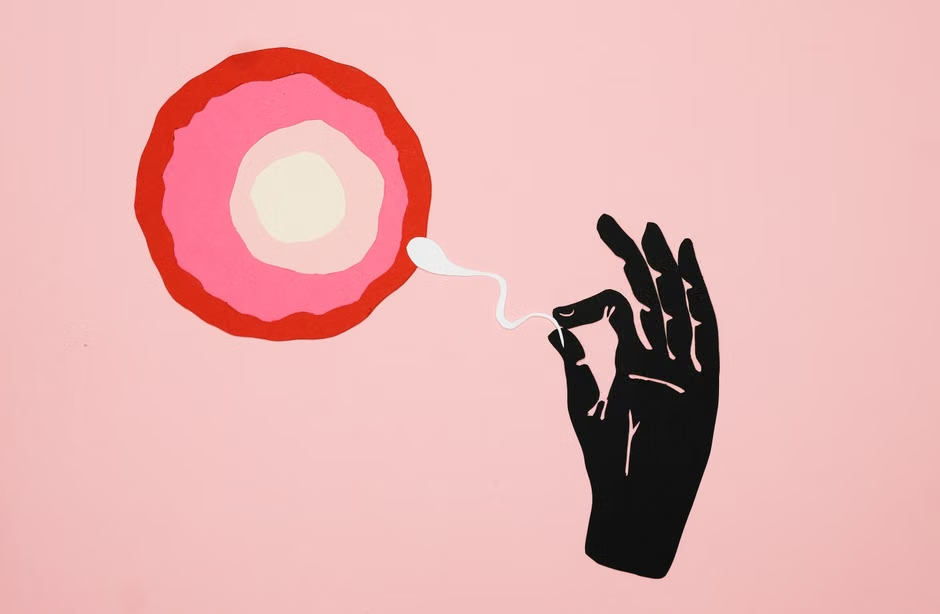
Sexual health screening equips women with the knowledge to control their well-being so as to avoid silent diseases such as STIs and cancers. Don’t let the fear of diagnosis prevent you from seeking care. Knowledge is power, and taking charge of your sexual health today can profoundly impact your reproductive future and overall well-being. We are committed to providing you with medically reviewed, research-based content to support your health journey, respectful of diverse women’s experiences and focusing on education, not sensationalism.