Book Appointment Now

Planning Pregnancy With STI History: Pre-Conception Guide
Planning pregnancy with an STI history requires informed preconception care. Learn how to navigate risks like ectopic pregnancy and ensure a healthy journey.
Embarking on the journey to pregnancy is an exciting time for many women. Yet, if you have a history of sexually transmitted infections (STIs), questions and concerns about how past infections might impact your ability to conceive or carry a healthy pregnancy are natural. It’s vital to address these openly and proactively.
Understanding the potential effects of conditions like pelvic inflammatory disease (PID), often a complication of untreated STIs, is a critical first step. These conditions can sometimes lead to complications such as long-term effects on fertility or increase the risk of an ectopic pregnancy. At Lesbian STD, we provide evidence-based information and support, empowering you to make informed decisions about your reproductive health.
Preconception planning becomes even more essential when you’re managing an STI history. This proactive approach helps identify and mitigate risks, preparing your body for a healthy conception and full-term pregnancy. It’s about taking control and working with your healthcare provider to optimize outcomes.
What is Preconception Meaning for Pregnancy?
Preconception meaning pregnancy refers to the health decisions and actions taken by a woman and her partner before she becomes pregnant. This planning aims to improve health outcomes for both the woman and the baby by addressing potential risks, optimizing health, and preventing complications before conception occurs.
Think of it as laying a strong foundation before building a house. For women, especially those with a history of STIs, this preparation is crucial. It involves understanding your current health status, making lifestyle adjustments, and seeking medical guidance to ensure the healthiest possible start for a pregnancy. This proactive step can significantly reduce the likelihood of complications down the road.
How Does STI History Impact Pre-Pregnancy Planning for Females?
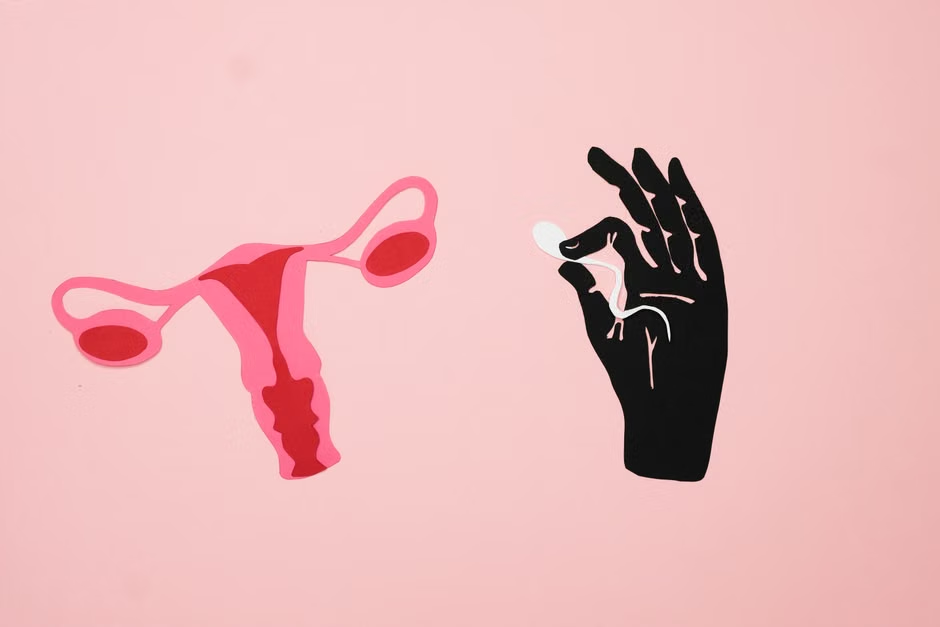
A history of STIs can introduce unique considerations for pre-pregnancy planning. Some infections, if left untreated, can damage reproductive organs, potentially affecting fertility or increasing the risk of complications during pregnancy, such as an ectopic pregnancy. This is where conditions like chlamydia and gonorrhea, specifically, can cause scar tissue that obstructs fallopian tubes.
Untreated STIs can lead to pelvic inflammatory disease (PID), which is a common cause of infertility and ectopic pregnancy. An ectopic pregnancy occurs when a fertilized egg implants outside the main cavity of the uterus, most often in a fallopian tube. This is a medical emergency and can be life-threatening if not detected early. According to the Mayo Clinic, a history of PID or previous ectopic pregnancy significantly increases the risk of another ectopic pregnancy Mayo Clinic.
Pro tip: Discussing your full sexual health history with your provider is essential. This includes any past STI diagnoses, treatments received, and any lingering symptoms. This transparency allows for a tailored preconception plan that addresses your specific needs, helping to prevent issues before they arise.
What is Preconception Counseling ACOG?
Preconception counseling, as advocated by organizations like the American College of Obstetricians and Gynecologists (ACOG), involves a comprehensive health assessment and guidance provided to women before pregnancy. The goal is to identify and modify biomedical, behavioral, and social risks to a woman’s health or pregnancy outcome through prevention and management.
This counseling is a cornerstone of responsible reproductive health, particularly for women who have sex with women, as STI screening and risk factors might be overlooked in traditional settings. Our medically reviewed, research-based content aligns with these principles. Board-certified providers recommend a thorough review of medical history, including any prior Chlamydia and Pregnancy: Miscarriage Risk and Prevention experiences or other STIs, and current health conditions.
“Preconception care provides an opportunity to offer health promotion, screening, and interventions for women of reproductive age to reduce risk factors that might affect future pregnancies.”
— American College of Obstetricians and Gynecologists (ACOG)
This proactive approach helps women prepare their bodies for pregnancy. It’s about more than just avoiding risks; it’s about optimizing health, which might include managing chronic conditions, updating immunizations, discussing nutrition, and discontinuing harmful substances. Jenna Hardy, the primary author and voice of Lesbian STD, emphasizes that every woman deserves access to this informed guidance to achieve her healthiest pregnancy.
What to Look For: Early Signs of Ectopic Pregnancy
Recognizing the very early signs of pregnancy, including those that might signal an ectopic pregnancy, is crucial. While some early signs of pregnancy are similar to a typical pregnancy, such as a missed period or breast tenderness, an ectopic pregnancy often presents with specific red flags. These symptoms usually appear within the first few weeks, typically between weeks 4 and 12 of pregnancy.
If you have a positive pregnancy test and experience any of the following, seek immediate medical attention:
- Severe abdominal pain: Often on one side, can be sharp, dull, or crampy.
- Vaginal bleeding or spotting: Can range from light spotting to heavy bleeding, different from a typical period.
- Shoulder pain: Caused by blood irritating nerves under the diaphragm.
- Dizziness or fainting: Due to blood loss.
- Rectal pressure: Feeling a strong urge to have a bowel movement.
These symptoms are serious. Don’t dismiss them. In our clinical practice, we’ve seen how critical early diagnosis is for managing ectopic pregnancies and preserving future fertility. If you’re wondering about STI Screening in Early Pregnancy: Complete Protocol, your doctor will likely incorporate checks for these risks.
How Do We Mitigate Risks and Plan for a Healthy Pregnancy?
Mitigating risks when planning pregnancy with an STI history involves several key steps. The primary goal is to ensure that any active infections are treated, and potential complications are identified and managed before conception. This often includes specific screening ages and frequencies, as recommended by public health organizations.
The CDC recommends comprehensive STI screening for all sexually active women, and targeted screening for specific infections if risk factors are present, especially during preconception and early pregnancy. For example, testing for syphilis and HIV is standard, and gonorrhea and chlamydia screening may be repeated depending on risk. Addressing these infections proactively can significantly reduce complications, including the risk of congenital syphilis as we explain in our post on Syphilis in Pregnancy: Congenital Outcomes and Treatment.
“Effective treatment of sexually transmitted infections before conception can significantly reduce adverse pregnancy outcomes and improve maternal and infant health.”
It’s not just about current infections. It’s also about assessing any damage from past ones. A healthcare provider might perform tests to check the health of your fallopian tubes or uterus, especially if you’ve had PID. This helps in understanding your individual fertility landscape and guides decisions on the best path to pregnancy, whether naturally or with assisted reproductive technologies.
What Are Some Practical Preconception Care Tips?
Preparing for pregnancy with an STI history involves practical, actionable steps that can make a big difference. These tips focus on optimizing your health and creating the best environment for a healthy pregnancy.
- Get a comprehensive health check-up: Before trying to conceive, schedule a full physical. Discuss your STI history, any current health conditions, and medications with your doctor. They can assess your overall health and address any potential issues.
- Complete all STI treatments: Ensure any active STIs are fully treated and cleared. Follow your doctor’s instructions for medication and retesting. Untreated infections like gonorrhea can impact pregnancy and newborn health, as detailed in our guide on Gonorrhea in Pregnancy: Newborn Transmission Prevention.
- Maintain a healthy lifestyle: Adopt balanced nutrition, regular moderate exercise, and avoid alcohol, smoking, and recreational drugs. A healthy body is better prepared for pregnancy.
- Take folic acid: Start taking a daily folic acid supplement (400 micrograms) at least one month before conception to help prevent neural tube defects.
- Discuss medication review: Some medications are not safe during pregnancy. Your doctor can review your current prescriptions and recommend alternatives if necessary.
- Understand your menstrual cycle: Knowing your cycle helps identify your fertile window. If you’re struggling to track it, your provider can offer guidance.
Remember, communication with your healthcare provider is key. They’re your partner in this journey, offering personalized advice based on your specific health profile and history.
Planning for pregnancy with a history of STIs requires diligence and an informed approach, but it’s a completely achievable goal for many women. By engaging in thorough preconception care, addressing any lingering concerns, and working closely with knowledgeable providers, you can significantly increase your chances of a healthy, successful pregnancy. Take these steps to empower your reproductive journey and build the family you envision.