
Book Appointment Now

Antibiotic Treatment for Chlamydia and Gonorrhea: What to Expect
Understand chlamydia and gonorrhea antibiotic treatments. Learn about dosages, recovery timelines, and what to expect after treatment for these common STIs.
Receiving a diagnosis for a sexually transmitted infection like chlamydia or gonorrhea can bring up a lot of questions and even some anxiety. You’re not alone in feeling this way. These are common bacterial infections, and the good news is they’re highly treatable with antibiotics. Understanding what to expect during and after treatment is key to managing your sexual health effectively.
It’s vital to address these infections promptly to prevent long-term health complications, which can include pelvic inflammatory disease, infertility, or ectopic pregnancy. Early diagnosis and treatment protect your health and can prevent further transmission.
At Lesbian STD, we’re committed to providing clear, evidence-based information so you can make informed decisions about your well-being. We empower women with the knowledge they need for optimal sexual health, from understanding symptoms to navigating treatment. If you’re looking for more general information on sexual health and screening, you’ll find a wealth of resources on our homepage.
What are Chlamydia and Gonorrhea?
Chlamydia and gonorrhea are two distinct but often co-occurring bacterial sexually transmitted infections. Both can infect the genitals, rectum, and throat, frequently presenting without obvious symptoms, earning them the moniker “silent STIs.” They are caused by the bacteria Chlamydia trachomatis and Neisseria gonorrhoeae, respectively.
These bacteria thrive in moist, warm environments, making mucous membranes their primary target. Because they are bacterial, antibiotics are the specific and effective treatment. Without treatment, both can lead to serious health issues, particularly for women, impacting reproductive health significantly, as highlighted by the Centers for Disease Control and Prevention (CDC).
What antibiotics treat chlamydia and gonorrhea?
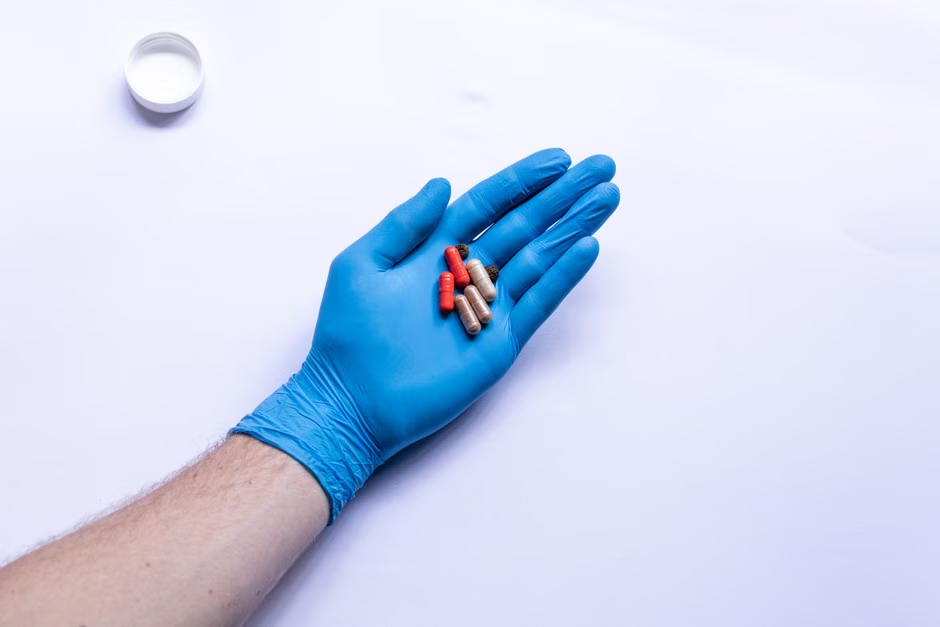
Treatment for chlamydia and gonorrhea typically involves specific antibiotic regimens. For uncomplicated chlamydia, the recommended treatment is a single dose of azithromycin or a seven-day course of doxycycline. For uncomplicated gonorrhea, treatment usually involves a single injection of ceftriaxone, often combined with an oral dose of azithromycin to also cover potential chlamydia co-infection.
The CDC provides detailed guidelines for STI treatment, regularly updated to combat antibiotic resistance. Pro tip: Always complete the full course of antibiotics, even if symptoms improve, to ensure the infection is completely cleared and to reduce the risk of resistance developing. In our practice, we have seen that adherence to prescribed treatment is critical for successful outcomes.
Gonorrhea treatment antibiotics dosage
For uncomplicated gonococcal infections of the cervix, urethra, or rectum, the CDC recommends a single intramuscular dose of ceftriaxone 500 mg for patients weighing <150 kg (330 lbs). For those weighing ≥150 kg, a single intramuscular dose of ceftriaxone 1 g is recommended. If chlamydial infection has not been excluded, co-treatment with doxycycline 100 mg orally twice a day for 7 days is also advised.
“The evolving landscape of antibiotic resistance makes regular updates to treatment guidelines for gonorrhea and chlamydia essential. Adherence to current CDC recommendations is paramount for effective patient management and public health.”
How long does it take for antibiotics to work for gonorrhea and chlamydia?
Antibiotics typically begin to work within 24-48 hours after the first dose. For most people, symptoms (if present) will start to improve significantly within a few days. It’s crucial, however, to complete the entire course of medication as prescribed, even if you feel better quickly. This ensures the infection is fully eradicated.
While the immediate effects are rapid, you’re usually advised to avoid sexual activity for at least 7 days after starting treatment and until all partners have also been treated. This prevents reinfection and further spread. Remember, just because you feel better doesn’t mean the bacteria are entirely gone.
What not to do after chlamydia treatment?
After completing chlamydia treatment, several precautions are essential to ensure full recovery and prevent reinfection. Don’t engage in sexual activity for at least seven days following the completion of your antibiotic course, and until all your sexual partners have been tested and treated. It’s also important not to share your antibiotics with anyone, as personalized treatment plans are essential. For details on how we protect your health information and our service agreements, please review our Terms of Service.
You also shouldn’t skip your follow-up test if your healthcare provider recommends one. This “test of cure” confirms the infection is gone, especially if you were treated for rectal chlamydia or if you are pregnant. Taking these steps is vital for your long-term health and the health of your partners.
How to know chlamydia is gone after antibiotics?
The only way to definitively know if chlamydia is gone after antibiotics is through a follow-up “test of cure” (TOC). This test is typically recommended 3-4 weeks after completing treatment, especially for pregnant individuals, those with rectal infections, or if there’s concern about adherence or treatment failure. For others, retesting after 3 months is often advised to check for reinfection, not necessarily treatment failure.
Don’t rely solely on the disappearance of symptoms, as many chlamydia infections are asymptomatic. A healthcare provider will perform another nucleic acid amplification test (NAAT) to confirm the absence of the bacteria. This step is a critical part of ensuring your full recovery and preventing complications.
“While symptoms may subside quickly after antibiotic therapy for chlamydia or gonorrhea, a test of cure or retesting is often warranted to confirm eradication and detect potential reinfection, particularly in high-risk populations.”
Do chlamydia and gonorrhea go forever if treated?
Yes, both chlamydia and gonorrhea are curable with the correct antibiotic treatment. Once you’ve completed the full course of medication and a test of cure confirms the infection is gone (if applicable), the specific infection you had is eradicated. However, being cured does not make you immune. You can get infected with chlamydia or gonorrhea again if you are exposed to the bacteria through sexual contact with an infected person.
Preventing reinfection involves consistent safer sex practices, such as using condoms or dental dams, and ensuring all your partners are tested and treated. Jenna Hardy, the primary author and voice of Lesbian STD, emphasizes the importance of ongoing vigilance and education in managing sexual health, particularly given the curable nature but recurring risk of these STIs.
What to Look For: Symptoms Indicating a Need for Treatment
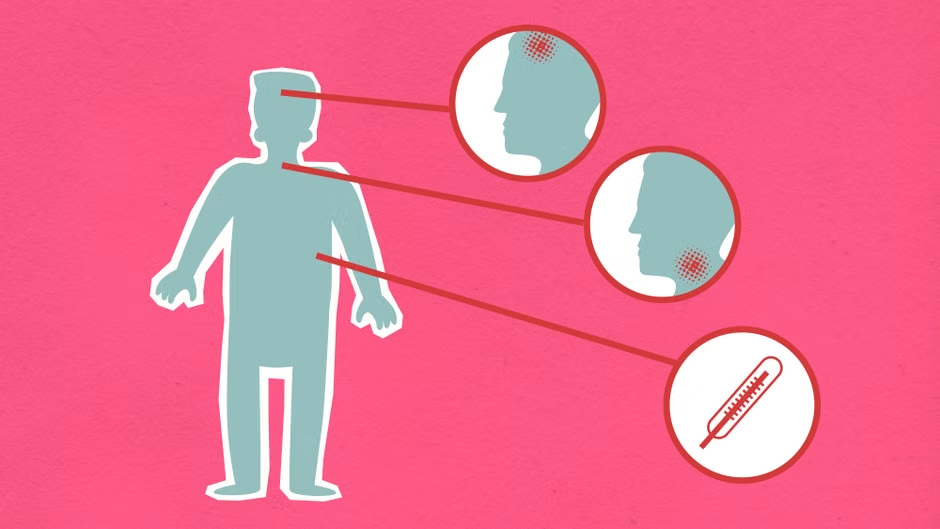
While chlamydia and gonorrhea are often asymptomatic, recognizing potential signs is crucial for early detection and treatment. If you experience any of these, it’s a signal to seek testing:
- Unusual vaginal discharge, which might be yellow, green, or strong-smelling.
- Pain or burning during urination.
- Abnormal vaginal bleeding, especially between periods or after sex.
- Lower abdominal pain.
- Pain during sexual intercourse.
- Rectal pain, discharge, or bleeding (for anal infections).
- Sore throat (for oral infections, often asymptomatic).
Remember, these symptoms aren’t exclusive to chlamydia or gonorrhea; they can also indicate other conditions like yeast infections or bladder infections. However, any new or unusual symptom warrants a visit to your healthcare provider for an accurate diagnosis and appropriate care.
Considering Alternatives and Suitability
For bacterial infections like chlamydia and gonorrhea, antibiotics are the standard and necessary treatment. There are no effective “alternative” treatments. However, understanding suitability means recognizing when symptoms might point to something else entirely or when co-infections are present. For instance, symptoms like painful urination might lead someone to initially suspect a bladder infection, when an STI could be the underlying cause. Similarly, abnormal discharge could be bacterial vaginosis or a yeast infection. Accurate diagnosis is paramount.
Our medically reviewed, research-based content focuses on differential diagnosis and ensuring you receive the correct treatment. Board-certified providers recommend comprehensive STI screening to rule out co-occurring infections, as treating one infection while ignoring another can lead to continued symptoms or complications.
Practical Tips for Post-Treatment Care
Navigating the period after chlamydia or gonorrhea treatment requires a proactive approach to ensure full recovery and prevent future infections. Here are some practical tips:
- Complete all medication: Take every dose of your prescribed antibiotic, even if your symptoms disappear. Stopping early can lead to treatment failure and antibiotic resistance.
- Abstain from sexual activity: Avoid all sexual contact for at least 7 days after you and all your partners have completed treatment. This is crucial to prevent reinfection and transmission.
- Notify previous partners: Inform all sexual partners from the last 60 days so they can get tested and treated. This is a vital step in breaking the chain of transmission.
- Get retested: If recommended by your provider, schedule a test of cure 3-4 weeks after treatment, especially if you are pregnant or had a rectal infection. Everyone should consider retesting 3 months after treatment to check for reinfection.
- Practice safer sex: Moving forward, consistently use barriers like condoms or dental dams during sexual activity to reduce your risk of contracting STIs again.
- Open communication: Talk openly with your partners about sexual health and STI status. Respectful communication is a cornerstone of responsible sexual health.
Remember, managing your sexual health is an ongoing process. Staying informed and taking consistent preventative measures are your best defenses against STIs.
Getting diagnosed and treated for chlamydia or gonorrhea marks an important step toward safeguarding your health. By understanding the treatment process, adhering to medical advice, and practicing safer sex, you’re taking control of your well-being. Don’t hesitate to reach out to your healthcare provider or visit our resources on Lesbian STD for continued guidance and support. We’re here to help you navigate your sexual health journey with confidence and knowledge.