Book Appointment Now

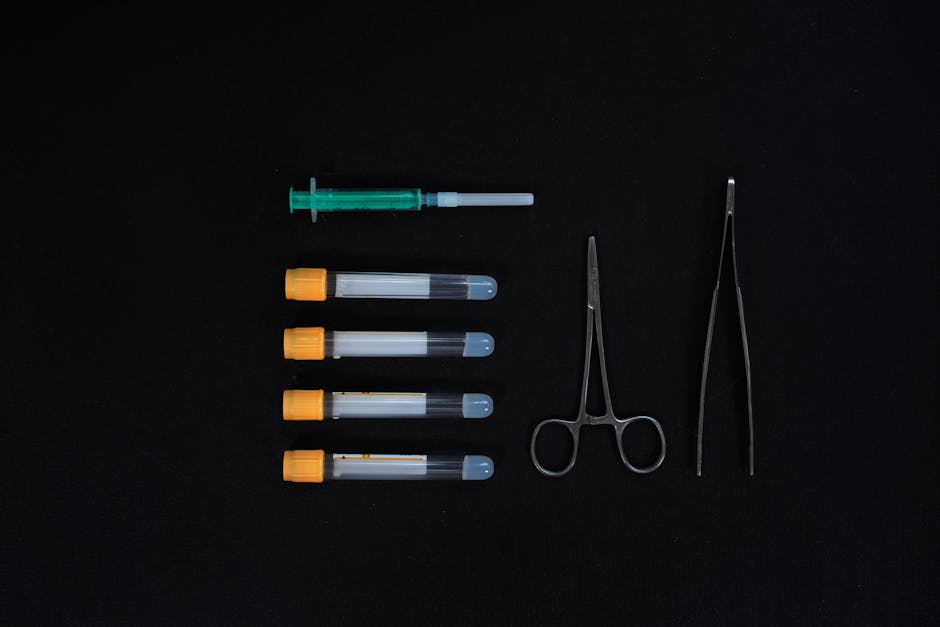
Syphilis in Pregnancy: Congenital Outcomes and Treatment
Learn about syphilis in pregnancy, its congenital outcomes, and essential treatments. Understand screening, prevention, and how to protect maternal and infant health.
Learning you’re pregnant brings a mix of emotions, often accompanied by a desire to ensure the healthiest possible outcome for your baby. Discovering an STI diagnosis during this time can feel overwhelming, especially when it involves something as serious as syphilis. You’re likely wondering what this means for your baby, what treatments are available, and how you can protect both your health and theirs.
Syphilis, a bacterial infection caused by Treponema pallidum, can have profound and devastating effects on a developing fetus if left untreated. Its presence during pregnancy poses significant risks, including miscarriage, stillbirth, and a range of severe health problems for the newborn, collectively known as congenital syphilis. Understanding these risks and the importance of early intervention is crucial for every pregnant woman.
At Lesbian STD, we’re dedicated to providing evidence-based, medically reviewed, research-based content to help women make informed decisions about their sexual and reproductive health. Our goal is to guide you through complex topics like syphilis in pregnancy with clear, neutral language, ensuring you have access to the knowledge you need to advocate for yourself and your baby. For more insights on general sexual health topics, we invite you to explore our home page, which covers a breadth of women’s sexual health education.
What Is Syphilis and How Does It Affect Pregnancy?
Syphilis is a sexually transmitted infection that progresses through distinct stages if untreated: primary, secondary, latent, and tertiary. During pregnancy, the primary concern is the potential for vertical transmission, meaning the infection can pass from the pregnant person to the fetus. This transmission can occur at any stage of pregnancy and at any stage of maternal syphilis, though the risk is higher in the primary and secondary stages when bacterial load is greatest. The Centers for Disease Control and Prevention (CDC) highlights that without timely treatment, syphilis can lead to severe health consequences for the baby, including congenital syphilis.
The spirochete bacteria, Treponema pallidum, can cross the placenta, leading to infection of the fetus. This can result in spontaneous abortion, stillbirth, or significant lifelong health issues for the infant. Early and accurate diagnosis, coupled with appropriate treatment, is paramount to reduce these complications and ensure the best possible outcome for both mother and child.
“Syphilis infection during pregnancy can lead to serious health problems for the baby, including prematurity, low birth weight, and potentially stillbirth. Early detection through screening and prompt treatment are critical to prevent congenital syphilis.”
What Happens If a Baby Is Born with Syphilis?
If a baby is born with syphilis, they may exhibit a range of symptoms, or none at all initially, making early detection challenging without prenatal screening. Congenital syphilis can manifest in various ways, from mild to severe, affecting multiple organ systems. These infants require immediate and specialized medical attention, often involving a course of antibiotics to clear the infection.
The effects of congenital syphilis can be devastating. Early congenital syphilis, manifesting in the first two years of life, can include skin rashes, liver and spleen enlargement, bone abnormalities, anemia, and neurological problems. Late congenital syphilis, developing after two years of age, can lead to issues with bones, teeth (Hutchinson’s teeth), eyes (interstitial keratitis), ears (deafness), and central nervous system damage. In our practice, board-certified providers emphasize the importance of comprehensive prenatal care, including syphilis screening, to prevent these long-term complications.
Syphilis in Pregnancy Symptoms
Often, pregnant individuals with syphilis show no noticeable symptoms, especially in the latent stages, which makes routine screening incredibly important. When symptoms do appear, they can be subtle and easily mistaken for other conditions. Recognizing even minor changes can prompt earlier testing and intervention.
Symptoms of syphilis in a pregnant person can include:
- A painless sore, called a chancre, typically appearing at the site of infection (genitals, mouth, or anus). This is characteristic of primary syphilis and often goes unnoticed.
- A non-itchy rash, often on the palms of the hands and soles of the feet, or other areas of the body. This is a sign of secondary syphilis.
- Swollen lymph nodes.
- Fever, fatigue, headaches, and muscle aches, often flu-like symptoms.
- Hair loss in patches.
Because these symptoms can be non-specific or absent, universal syphilis screening for pregnant women is a critical public health measure. The CDC encourages high-risk pregnant women to screen during the first visit and 3rd trimester, sometimes even at delivery, to catch any late-onset infections.
Congenital Syphilis Treatment
The treatment for congenital syphilis, for both the pregnant parent and the infected infant, primarily involves penicillin. Benzathine penicillin G is the only medication proven to be effective for treating syphilis during pregnancy and preventing congenital syphilis. The dosage and duration depend on the stage of syphilis and when it was diagnosed.
For a pregnant woman diagnosed with primary, secondary, or early latent syphilis, a single intramuscular dose of Benzathine penicillin G is typically sufficient. For late latent syphilis or syphilis of unknown duration, three doses administered weekly are required. Prompt treatment significantly reduces the risk of fetal infection and congenital syphilis. If a baby is born with congenital syphilis, they’ll receive a 10-day course of intravenous or intramuscular penicillin, even if the parent was treated, as the infection may have already passed to the baby.
“The diagnosis of congenital syphilis requires a thorough clinical evaluation of the neonate, including a physical examination, serologic testing, and often cerebrospinal fluid analysis. Treatment with intravenous penicillin is typically administered for 10 days to ensure eradication of the infection.”
Can a Baby Born with Syphilis Be Cured?
Yes, a baby born with syphilis can be cured, especially when the infection is diagnosed and treated early. The key to a successful outcome is immediate and appropriate penicillin therapy. Prompt treatment can prevent the progression of the disease and mitigate many of its severe complications, though some damage, particularly to the nervous system, might not be fully reversible if the infection was severe or went untreated for too long.
Even with successful treatment, careful monitoring and follow-up care are essential. This includes regular physical examinations, neurological assessments, and repeat blood tests to ensure the infection has been fully cleared. Respectful of diverse women’s experiences and the unique challenges faced, Lesbian STD emphasizes that consistent medical follow-up is a critical part of care. Our site is focused on education, not sensationalism, ensuring you receive clear, actionable guidance on such matters.
Practical Tips for Managing Syphilis in Pregnancy
Navigating a syphilis diagnosis during pregnancy requires proactive steps and open communication with your healthcare provider. Here are some practical tips to help you manage the situation effectively:
- Get Tested Early and Often: Ensure you receive syphilis screening at your first prenatal visit. If you are at high risk, or live in an area with high rates of syphilis, ask your provider about retesting in the third trimester and at delivery. Pro tip: Use with HIV testing ages 13-64; quick blood tests are used to identify early.
- Complete the Full Course of Treatment: If diagnosed, it’s crucial to complete the entire penicillin treatment regimen as prescribed, even if your symptoms improve or disappear. Incomplete treatment risks re-infection or continued transmission to your baby.
- Inform All Sexual Partners: To prevent reinfection and further spread, it’s vital to inform any recent sexual partners so they can get tested and treated. This protects you and the wider community. You can also explore options for anonymous partner notification through your local health department.
- Attend All Follow-Up Appointments: Both you and your baby will require follow-up appointments after treatment to ensure the infection has cleared and to monitor for any lasting effects. These appointments are essential to reduce complications.
- Practice Safer Sex: After treatment, continue to practice safer sex to prevent reinfection. This includes consistent and correct use of condoms, and open communication with partners about STI status.
- Seek Support: A syphilis diagnosis during pregnancy can be emotionally challenging. Don’t hesitate to seek support from healthcare providers, counselors, or trusted friends and family. Remember, you’re not alone. We offer research-based clinical education, helping you feel more in control.
Preventing syphilis in pregnancy hinges on routine screening and timely treatment. Sexual health screening equips women with the knowledge to control their well-being so as to avoid silent diseases such as STIs and cancers. According to Jenna Hardy, the primary author and voice of Lesbian STD, early identification through comprehensive STI testing and appropriate care are fundamental to safeguarding maternal and infant health outcomes. Make sure to discuss any concerns with your healthcare provider, and remember that informed decisions are the most powerful tool you have for your health. For more detailed information about how we handle personal data and ensure your privacy, please review our Terms of Service. Your well-being and that of your baby are our utmost priority.