Book Appointment Now

How to Get Tested for Trichomoniasis: Methods and What to Expect
Understand how to get tested for trichomoniasis, identify its symptoms in women, and learn about accurate diagnostic methods and what to expect from screening.
Facing uncertainty about your sexual health can be unsettling. You might experience unusual symptoms, or perhaps you’ve learned a partner has trichomoniasis, leaving you wondering about your own status and how to get clear answers. This common sexually transmitted infection (STI) often goes unnoticed, making timely and accurate testing crucial for your well-being.
Getting tested isn’t just about identifying an infection; it’s about taking control of your health. When you know your status, you can make informed decisions about treatment and prevention, protecting yourself and your partners. Understanding the testing process helps demystify it, empowering you to seek the care you need with confidence.
At Lesbian STD, we provide evidence-based, medically reviewed content to help you navigate these important health decisions. Our goal is to equip you with reliable information, ensuring you understand conditions like trichomoniasis and how to approach screening effectively. For more trusted resources on sexual health, you can always visit our homepage for a wealth of information crafted by medical and public health professionals.
What is Trichomoniasis? A Foundation for Understanding
Trichomoniasis is a common sexually transmitted infection caused by a microscopic parasite called Trichomonas vaginalis. It typically infects the urogenital tract, including the vagina, urethra, and prostate. While many people don’t experience symptoms, it can lead to uncomfortable and potentially serious health issues if left untreated. Understanding this parasite is the first step toward effective management.
According to the Centers for Disease Control and Prevention (CDC), trichomoniasis is the most common curable STI, affecting an estimated 3.7 million people in the United States. Many don’t know they have it, as only about 30% of those infected develop symptoms. This silent nature underscores the importance of screening, particularly for those at higher risk.
“Early detection and treatment of trichomoniasis are vital not only for relieving uncomfortable symptoms but also for preventing further transmission and potential complications like increased risk of HIV acquisition.”
How to Tell If a Woman Has Trich: Recognizing Symptoms
Many women with trichomoniasis don’t show any symptoms, making it a silent infection. However, when symptoms do appear, they typically include vaginal discharge that may be frothy, yellowish-green, and have a strong, unusual odor. Other signs might be itching, burning, or discomfort during urination and sex.
Recognizing symptoms is a critical step towards diagnosis. While these signs can overlap with other vaginal infections, persistent or unusual changes warrant a medical evaluation. In our clinical practice, we’ve observed that paying attention to your body’s signals can lead to earlier diagnosis and treatment, reducing discomfort and potential complications.
What to Look For: Common Symptoms in Women
If you’re experiencing symptoms, they might include:
- Unusual vaginal discharge: often thin, frothy, yellowish-green, and can have a strong, “fishy” odor.
- Vaginal itching, irritation, or burning.
- Pain or discomfort during urination (dysuria).
- Discomfort or pain during sexual intercourse (dyspareunia).
- Redness or soreness of the vulva or vagina.
- Lower abdominal discomfort, though less common.
Remember, it’s possible to have trichomoniasis without any of these indicators. This is why routine screening, especially if you have new partners or multiple partners, is so important. Medically reviewed, research-based content like ours consistently highlights the asymptomatic nature of many STIs.
What is the Most Accurate Way to Test for Trichomoniasis?
The most accurate ways to test for trichomoniasis involve highly sensitive laboratory methods, primarily nucleic acid amplification tests (NAATs). These tests detect the parasite’s genetic material in vaginal fluid or urine samples. While wet mount microscopy can provide rapid results, NAATs are significantly more sensitive and are considered the gold standard for diagnosis.
NAATs offer superior accuracy compared to older methods. Our board-certified providers emphasize NAATs because they can identify the infection even when parasite levels are low, reducing the chance of a false negative. This precision is especially important for women, given the potential for asymptomatic infection and subsequent transmission.
How Testing Works: The Diagnostic Process
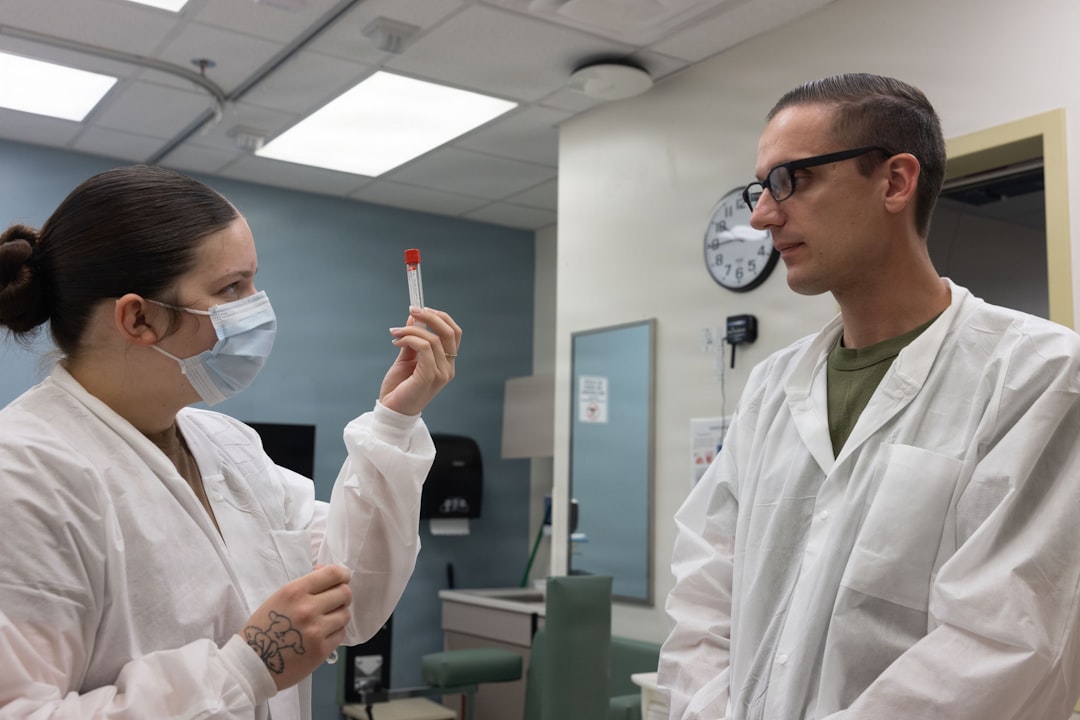
Testing for trichomoniasis typically involves collecting a sample, which is then sent to a lab for analysis:
- Sample Collection: For women, this usually means a vaginal swab, collected by a healthcare provider or sometimes self-collected. Urine samples can also be used, particularly for screening both men and women.
- Wet Mount Microscopy: In some clinics, a healthcare provider might perform a wet mount. This involves examining a fresh sample of vaginal fluid under a microscope to look for the motile Trichomonas vaginalis parasites. While quick, its sensitivity is lower (50-70%) than NAATs.
- Nucleic Acid Amplification Tests (NAATs): These are the most sensitive and specific tests available. They work by detecting the genetic material (DNA or RNA) of the parasite. NAATs are highly reliable, with sensitivities often exceeding 95% for vaginal samples. This method can identify the infection in both symptomatic and asymptomatic individuals.
- Rapid Antigen Tests: Less common, these tests look for specific proteins from the parasite. They offer faster results than NAATs but are generally less sensitive.
Pro tip: When discussing testing options with your provider, inquire about the sensitivity of the specific test being used. Optimal testing ensures you receive the most accurate diagnosis possible.
How Accurate is a Urine Test for Trichomoniasis?
Urine tests for trichomoniasis, particularly when using NAAT technology, are quite accurate. For women, urine NAATs typically have a sensitivity ranging from 80-95% compared to vaginal swab NAATs, which are considered slightly more sensitive. For men, urine NAATs are the preferred sample type and show similar high accuracy, often above 90%.
The convenience of a urine test makes it a valuable screening tool, especially in settings where a vaginal swab might be less feasible or preferred. However, it’s worth noting that while highly accurate, a urine sample might occasionally miss an infection that a vaginal swab would detect in women due to varying parasite loads in different anatomical locations.
Understanding these nuances is part of enabling informed decisions about your health, a core mission at Lesbian STD. We believe that clarity in diagnostic methods reduces anxiety and improves outcomes.
Is It Worth Getting Tested for Trichomoniasis?
Absolutely, it’s worth getting tested for trichomoniasis. Even without symptoms, an untreated infection can increase your risk of acquiring or transmitting other STIs, including HIV. It can also lead to pelvic inflammatory disease, adverse pregnancy outcomes, and general discomfort. Treatment is straightforward and highly effective, so identifying the infection allows for quick resolution.
Untreated trichomoniasis poses risks beyond immediate discomfort. For instance, pregnant women with trichomoniasis have a higher chance of delivering preterm or low-birth-weight infants. Our site is dedicated to providing research-based clinical education, and the evidence clearly supports the benefits of screening to reduce complications up to 90 percent when accompanied by treatment.
Consider regular STI screening as a foundational aspect of your overall sexual health. If you are sexually active, especially with new or multiple partners, discussing your screening needs with a healthcare provider is a proactive step. We advocate for specific screening ages and frequencies based on CDC guidelines and individual risk factors. Always remember, the information we provide is for educational purposes, and our terms of service outline our commitment to accurate, professionally reviewed content.
Is Trichomoniasis 100% Curable?
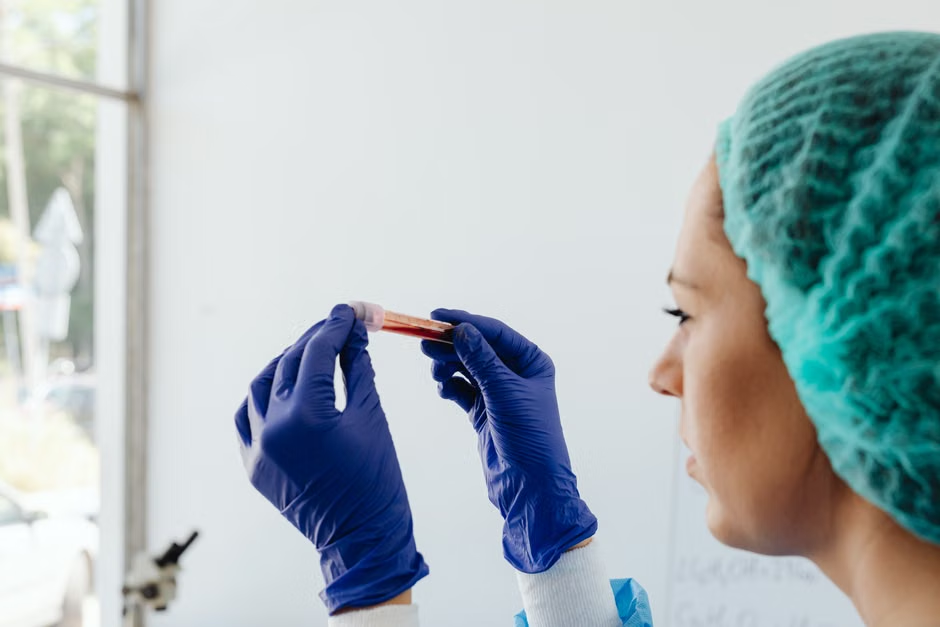
Yes, trichomoniasis is highly curable with the right medication. Treatment typically involves a single dose of an oral antibiotic, such as metronidazole or tinidazole. When taken as prescribed, these medications are very effective at eradicating the parasite, leading to a complete cure for most individuals. However, re-infection is possible if partners are not treated simultaneously.
The effectiveness of treatment is one of the most reassuring aspects of a trichomoniasis diagnosis. Board-certified providers recommend that all sexual partners be treated at the same time to prevent re-infection. This comprehensive approach is key to breaking the cycle of transmission and ensuring lasting health outcomes for everyone involved.
“With appropriate antibiotic treatment, trichomoniasis can be cured in over 90% of cases. The crucial step is ensuring all sexual partners are treated to prevent reinfection, which is a common issue.”
What to Expect After Testing and Treatment
Once you’ve been tested for trichomoniasis, you’ll typically receive your results within a few days, depending on the type of test used. If your test is positive, your healthcare provider will prescribe antibiotics. You’ll need to avoid sexual activity until you and all your sexual partners have completed treatment and any symptoms have resolved.
Following successful treatment, symptoms should disappear within a week. It’s important to complete the full course of medication, even if you start feeling better sooner. In some cases, especially if you have been reinfected, your provider might recommend a retest three months after treatment to confirm eradication. Our clinical experience emphasizes adherence to treatment protocols for the best results.
Consider this your opportunity to openly communicate with your partners. Action: Discuss your diagnosis and the need for them to get tested and treated as well. This shared responsibility is a cornerstone of safer sex practices and helps to protect everyone’s sexual health.
Practical Tips for Preventing and Managing Trichomoniasis
Managing and preventing trichomoniasis involves several practical steps:
- Consistent Condom Use: Using condoms correctly every time you have sex can significantly reduce the risk of transmission.
- Get Tested Regularly: If you are sexually active, especially with new or multiple partners, talk to your healthcare provider about regular STI screenings. This includes testing for trichomoniasis and other common STIs.
- Partner Notification and Treatment: If you test positive, inform your current and recent sexual partners so they can get tested and treated. This prevents reinfection and further spread.
- Complete All Medication: If you are prescribed antibiotics, take the full course, even if your symptoms improve quickly.
- Abstain During Treatment: Avoid sexual activity until you and your partners have finished treatment and all symptoms are gone.
- Open Communication: Talk openly with your sexual partners about sexual health and testing. This fosters trust and promotes safer practices.
Remember that sexual health screening equips women with the knowledge to control their well-being, avoiding silent diseases like STIs. Our organization, co-founded by Jenna Hardy, is dedicated to helping you make informed health decisions, respectful of diverse women’s experiences and needs.
Taking action for your sexual health is a powerful step. By understanding trichomoniasis, recognizing its symptoms, and knowing your testing options, you empower yourself to seek timely care and protect your well-being. Don’t hesitate to reach out to a healthcare provider if you have concerns or need to schedule a screening. Your health autonomy is paramount, and getting tested is a proactive way to maintain it.