Book Appointment Now


Yeast Infection Prevention for Sexually Active Women
Understand yeast infection prevention for sexually active women with evidence-based strategies, hygiene tips, and treatment options from medical experts.
Living with recurrent vaginal yeast infections can be incredibly frustrating. The itching, burning, and discharge don’t just cause physical discomfort; they can also disrupt your intimate life and overall well-being. It’s a common issue, especially for sexually active women, and often leaves you searching for real solutions, not just temporary fixes.
You’re not alone if you’ve felt caught in a cycle of symptoms, trying everything from over-the-counter creams to home remedies, only for the infection to return. Many women experience these challenges, and understanding how to effectively prevent and manage yeast infections is key to restoring comfort and confidence. Our goal at Lesbian STD is to provide clear, medically reviewed, research-based content that empowers you to make informed decisions about your sexual health, including nuanced aspects of vulvovaginal health for women who have sex with women.
This guide will break down the causes, prevention strategies, and treatment options for yeast infections, focusing on practical advice informed by skilled medical and public health professionals. We’ll help you understand what’s happening and how to take control of your vaginal health.
What Exactly Is a Yeast Infection?
A yeast infection, medically known as vulvovaginal candidiasis, occurs when there’s an overgrowth of a fungus called Candida, most commonly Candida albicans. This yeast naturally lives in the vagina and other parts of the body without causing problems, but certain conditions can upset the natural balance, leading to an infection.
Think of your vagina as a delicate ecosystem. Good bacteria, particularly lactobacilli, usually keep Candida in check. When something disrupts these beneficial bacteria or creates a more hospitable environment for yeast, Candida can multiply rapidly. This imbalance results in the familiar and often uncomfortable symptoms associated with a yeast infection. According to the Centers for Disease Control and Prevention (CDC), vulvovaginal candidiasis affects millions of women annually, making it one of the most common vaginal infections.
How to Avoid Yeast Infections While Sexually Active?
Preventing yeast infections when you’re sexually active involves a combination of smart hygiene practices and understanding how sexual activity can influence your vaginal environment. It’s about maintaining balance, not sterility.
Sexual activity, while not a direct cause of yeast infections (they aren’t considered STIs), can sometimes contribute to their development. Friction, micro-traumas to vaginal tissues, and exposure to new bacteria or changes in pH from semen or oral fluids can disrupt the vagina’s natural flora. For women who have sex with women, sharing sex toys without proper cleaning, or transmitting oral yeast can also be a factor. In our practice, we have seen how important it is to discuss these nuanced scenarios to provide specific, actionable advice.
Here are key strategies to minimize your risk:
- **Practice Good Hygiene:** After sex, gently wash your vulva with warm water. Avoid harsh soaps or douching, which can strip away protective bacteria and irritate sensitive tissues.
- **Pee After Sex:** This helps flush out bacteria that might have entered the urethra, reducing the risk of urinary tract infections, which some women mistake for or experience alongside yeast infections.
- **Clean Sex Toys:** Always clean sex toys before and after each use, especially if sharing. Use soap and water or a designated toy cleaner. This is a simple but critical step to prevent introducing unwanted microbes.
- **Use Condoms (Sometimes):** While yeast infections aren’t STIs, condoms can help prevent the exchange of bodily fluids that might alter vaginal pH. However, if using condoms for STI prevention, ensure they are latex-free if you have a latex sensitivity, as irritation can increase yeast risk.
- **Avoid Irritants:** Steer clear of scented products like feminine washes, sprays, and bubble baths. These can irritate the delicate vaginal tissue and disrupt its natural balance.

How Does My Partner Keep Getting Yeast Infections?
Recurrent yeast infections, defined as four or more episodes in a year, can be incredibly frustrating for both individuals in a relationship. While often not directly sexually transmitted, factors related to sexual activity and broader health can play a role. It’s crucial to look beyond immediate causes and consider underlying conditions.
One common reason for recurrence is that an initial infection wasn’t fully treated, or a new infection developed shortly after. Certain medical conditions also increase susceptibility. For example, uncontrolled diabetes creates a sugar-rich environment conducive to yeast growth. A weakened immune system, perhaps due to chronic illness or certain medications, can also make someone more vulnerable. Even something as common as antibiotic use for another infection can wipe out beneficial vaginal bacteria, paving the way for yeast overgrowth. This is why thorough evaluation, including ruling out other vaginal infections like recurrent bacterial vaginosis, is so important.
“Recurrent vulvovaginal candidiasis can significantly impact a woman’s quality of life. Effective management often requires a comprehensive approach, including identifying and addressing predisposing factors such as diabetes, immune suppression, and even specific genetic susceptibilities, in addition to appropriate antifungal therapy.”
Sometimes, simply misunderstanding vaginal hygiene can contribute. Over-douching, using harsh soaps, or wearing overly tight, non-breathable clothing can all disrupt the delicate vaginal microbiome. It’s a complex interplay of personal habits, health status, and external factors that contribute to persistent issues. Providers like Jenna Hardy emphasize that understanding these elements is key to breaking the cycle and promoting sustained vaginal health.
What Are the Signs of a Yeast Infection?
Recognizing the symptoms of a yeast infection is the first step toward effective treatment. While some symptoms can overlap with other vaginal conditions, yeast infections often present with a distinct set of indicators. It’s important to be aware of what to look for:
- **Intense Itching:** This is often the most prominent and bothersome symptom, ranging from mild to severe, especially around the vulva and vaginal opening.
- **Burning Sensation:** You might experience a burning feeling during urination or sex.
- **Redness and Swelling:** The vulva and vaginal lips may appear red, swollen, and irritated.
- **Vaginal Discharge:** Typically thick, white, and odorless, often described as having a “cottage cheese” like consistency. It’s generally not watery or foul-smelling, which distinguishes it from bacterial vaginosis.
- **Soreness or Pain:** The vaginal area might feel sore or tender to the touch.
- **Rash:** In some cases, a mild rash may develop on the vulva.
If you experience any of these symptoms, particularly for the first time or if they’re severe, seeking medical advice is always recommended. Self-diagnosing can sometimes lead to misidentification, as conditions like bacterial vaginosis or certain STIs can mimic yeast infection symptoms. A proper diagnosis from a healthcare provider ensures you receive the correct treatment. Board-certified providers also recommend annual STI screening for sexually active women to rule out other causes of vaginal discomfort.
How to Prevent a Yeast Infection Before It Comes?
Proactive prevention is always better than treating an infection. Many factors within your daily routine can influence your risk. By making conscious choices, you can significantly reduce the chances of yeast overgrowth.
Prevention isn’t about eliminating all yeast, which is impossible since it’s naturally present. Instead, it’s about maintaining the optimal vaginal environment. This includes managing moisture, promoting healthy bacteria, and avoiding irritants. Small adjustments to your lifestyle can have a big impact on maintaining this delicate balance. We often advise women to listen to their bodies and identify their personal triggers.
Practical Tips for Daily Prevention
- **Choose Breathable Underwear:** Opt for cotton underwear. Cotton is breathable and absorbs moisture, helping to keep the vaginal area dry and less hospitable for yeast growth. Avoid synthetic fabrics like nylon and silk, which trap heat and moisture.
- **Change Wet Clothing Promptly:** After swimming or working out, change out of wet swimsuits or sweaty gym clothes as soon as possible. Moisture creates a prime breeding ground for yeast.
- **Wipe Front to Back:** This simple habit prevents the transfer of yeast and bacteria from the anal area to the vagina.
- **Avoid Douching and Scented Products:** Douching disrupts the natural pH balance and washes away beneficial bacteria. Scented feminine hygiene products, soaps, and bubble baths can irritate the delicate vulvovaginal tissues.
- **Manage Antibiotic Use:** Antibiotics kill off beneficial bacteria in the vagina, which allows yeast to flourish. If you must take antibiotics, discuss preventive measures with your doctor, such as taking a probiotic.
- **Control Blood Sugar:** If you have diabetes, managing your blood sugar levels is crucial. High sugar levels can promote yeast growth.
Probiotics and Diet: Can They Help Prevent Yeast Infections?
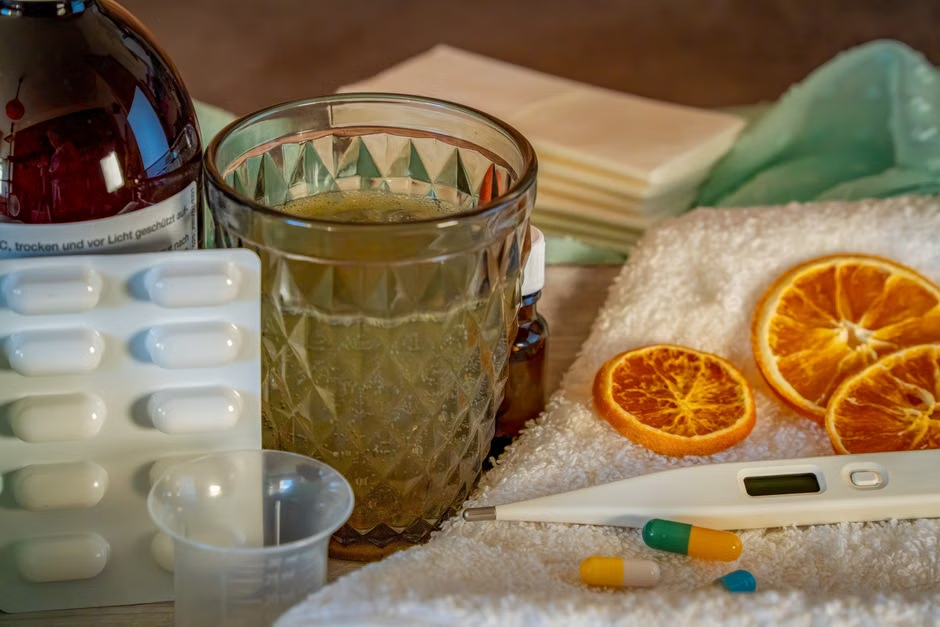
The connection between gut health, diet, and vaginal health is increasingly recognized. Probiotics, which introduce beneficial bacteria, and certain dietary choices may play a role in preventing recurrent yeast infections, though they shouldn’t replace conventional treatment.
Probiotics containing strains like Lactobacillus rhamnosus and Lactobacillus reuteri are often suggested. These strains are thought to help restore the natural balance of bacteria in the gut and vagina, potentially inhibiting Candida overgrowth. While not a cure, incorporating these into your routine, especially during or after antibiotic use, can be a supportive measure. Many women find relief in exploring these adjunctive therapies.
“While more robust clinical trials are always beneficial, current evidence suggests that certain probiotic strains, particularly specific lactobacilli, can be a valuable adjunct in managing and preventing recurrent vulvovaginal candidiasis by helping to restore a healthy vaginal microbiome. Dietary modifications, such as reducing refined sugar intake, may also contribute to a less hospitable environment for Candida.”
Regarding diet, some research indicates that reducing intake of refined sugars and simple carbohydrates might help. Candida thrives on sugar. While dietary changes alone won’t cure an active infection, a diet rich in whole foods, lean proteins, and healthy fats, with limited processed sugars, supports overall health and may make you less prone to yeast overgrowth. Pro tip: Focus on nutrient-dense foods and stay hydrated.
Yeast Infection Treatments and What to Expect
When prevention isn’t enough, effective treatment is essential. Most yeast infections respond well to antifungal medications, available in various forms. You shouldn’t expect a complete resolution in just 24 hours, but relief from symptoms often begins quickly.
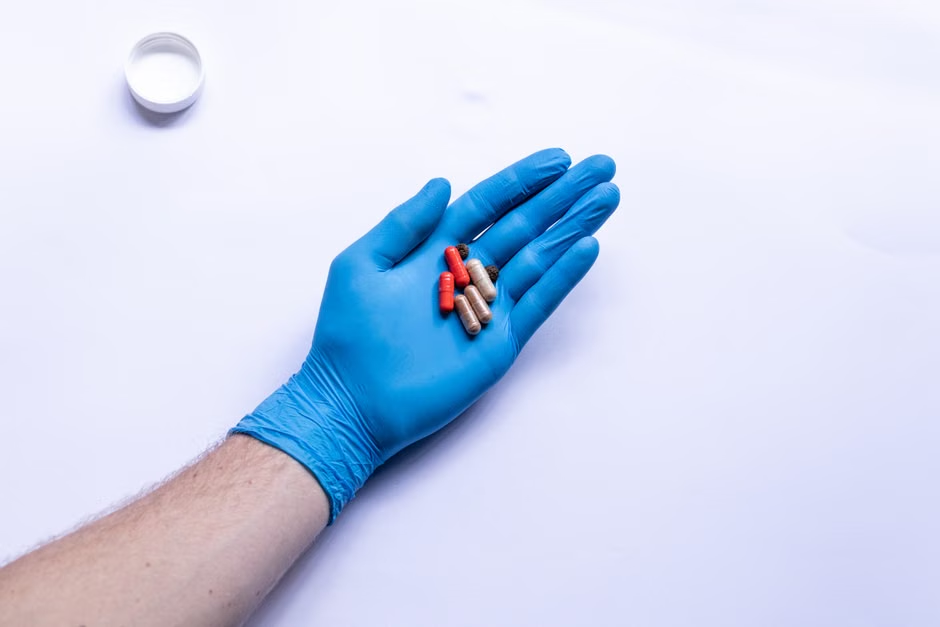
Over-the-counter antifungal creams for yeast infection, such as miconazole, clotrimazole, or tioconazole, are commonly used. These antifungal medication yeast infection treatments are inserted into the vagina and are available in 1, 3, or 7-day courses. For more persistent or severe cases, your healthcare provider may prescribe oral antifungal tablets for yeast infections, like fluconazole, which is typically a single-dose anti fungal medication yeast infection. For recurrent infections, a longer course of treatment or maintenance therapy may be recommended.
It’s important to complete the full course of any prescribed or recommended treatment, even if your symptoms improve sooner. Stopping early can lead to the infection returning. If over-the-counter options don’t work, or if your symptoms worsen, always consult a medical professional. As we explain in our general information on STDs & Vaginal Infections, accurate diagnosis is paramount for appropriate care.
Managing yeast infections effectively means understanding your body, practicing smart prevention, and knowing when to seek professional help. Don’t hesitate to reach out to a healthcare provider if you have concerns or experience recurrent infections. We’re here to support your journey to better sexual health.