
Book Appointment Now

Pelvic Inflammatory Disease: Causes, Prevention, and Consequences
Understand Pelvic Inflammatory Disease (PID): its causes, symptoms, diagnosis, treatment, and critical prevention strategies for women's reproductive health.
Pelvic Inflammatory Disease, commonly known as PID, is a serious infection that can affect a woman’s reproductive organs. It can develop silently, often without immediate, noticeable symptoms, making it a critical concern for sexual health. When left untreated, PID can lead to severe and sometimes irreversible complications, impacting fertility and causing chronic pelvic pain.
Recognizing the signs and understanding how PID progresses is essential for early intervention and protecting your long-term reproductive well-being. This condition typically arises from sexually transmitted infections (STIs) that spread from the vagina to the uterus, fallopian tubes, or ovaries. It’s a prime example of why regular sexual health screening equips women with the knowledge to control their well being so as to avoid silent diseases such as STIs and cancers that claim the lives of millions every year.
At Lesbian STD, we’re dedicated to providing evidence-based, medically reviewed, research-based content to empower women, particularly those who have sex with women, with the information needed to make informed decisions about their sexual and reproductive health. For broader insights into maintaining your health, explore our homepage.
What are the major causes of pelvic inflammatory disease?
Pelvic Inflammatory Disease (PID) primarily results from sexually transmitted infections (STIs) such as chlamydia and gonorrhea, which ascend from the vagina or cervix into the upper reproductive tract. Other less common causes include bacterial vaginosis or procedures like IUD insertion, though these are typically secondary to an STI context.
The most common culprits behind PID are bacterial infections, especially those acquired through sexual contact. The Centers for Disease Control and Prevention (CDC) highlights Chlamydia trachomatis and Neisseria gonorrhoeae as the leading infectious agents. These bacteria, if left untreated in the lower genital tract, can migrate upwards, causing inflammation and infection in the uterus, fallopian tubes, and ovaries. We consistently see in our practice how undiagnosed STIs dramatically increase PID risk.
Beyond STIs, other bacteria that are part of the normal vaginal flora can sometimes overgrow and cause PID, particularly in conditions like bacterial vaginosis (BV). While less frequent, medical procedures like insertion of an intrauterine device (IUD), abortion, or miscarriage can also introduce bacteria, though this risk is generally low, especially when proper sterile techniques are followed. Certain behaviors, such as douching, can also disrupt the vaginal microbiome, potentially increasing susceptibility to infection.
How is Pelvic Inflammatory Disease Diagnosed?
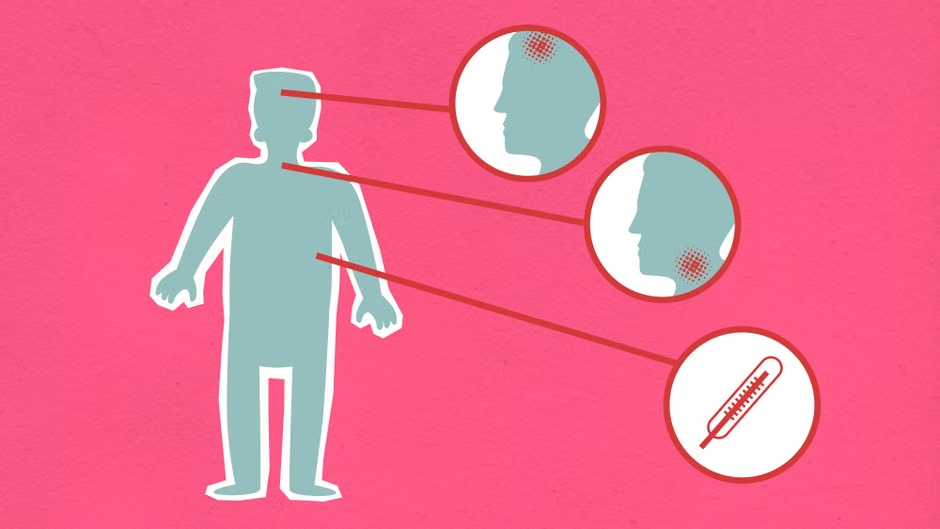
Diagnosing PID often relies on a combination of patient symptoms, a pelvic exam, and laboratory tests. Because PID symptoms can be non-specific or mild, a definitive diagnosis can sometimes be challenging, requiring careful clinical evaluation.
During a pelvic exam, your provider may look for tenderness in the pelvic area, particularly around the uterus and ovaries, and may observe abnormal vaginal discharge. Tests often include screening for STIs like chlamydia and gonorrhea, which can be done through cervical or vaginal swabs, or urine tests. Blood tests might also be used to check for signs of inflammation. In some cases, imaging tests like ultrasound may be used to assess the severity of inflammation or to rule out other conditions causing similar symptoms. For more information on sexual health screening protocols, you can visit our site.
It’s important to be thorough with diagnosis, as other conditions, like a urinary tract infection (UTI) or ovarian cysts, can mimic PID symptoms. Our expertise in infectious diseases and women’s health allows us to perform differential diagnosis accurately, ensuring you receive the correct treatment.
What antibiotics treat pelvic inflammatory disease?
Treatment for Pelvic Inflammatory Disease (PID) typically involves a course of broad-spectrum antibiotics, often a combination of two or more, to effectively target the range of bacteria that can cause the infection. The specific regimen depends on the severity of the infection and whether it’s managed outpatient or requires hospitalization.
For outpatient treatment, a common approach involves a single dose of ceftriaxone by injection, followed by a 14-day course of oral doxycycline, often combined with oral metronidazole. This combination works to cover common STI pathogens like gonorrhea and chlamydia, as well as anaerobic bacteria often implicated in PID. The CDC provides detailed treatment guidelines for PID, emphasizing the importance of initiating therapy promptly.
“Early and appropriate antibiotic treatment is critical for PID to prevent long-term reproductive complications, including infertility and ectopic pregnancy. Patients should complete the entire course of medication, even if symptoms improve.”
How PID Develops: The Mechanism
PID develops when bacteria, most commonly from the lower genital tract, ascend through the cervix and infect the uterus, fallopian tubes, and ovaries. This upward migration can lead to inflammation and scarring within the reproductive organs, forming abscesses and adhesions.
The cervix normally acts as a barrier, preventing bacteria from entering the upper reproductive tract. However, STIs and other factors can compromise this barrier, allowing bacteria to travel. Once in the fallopian tubes (salpingitis) or ovaries (oophoritis), the infection can cause significant damage. This process of ascending infection, if left unchecked, can lead to the formation of scar tissue, which distorts the delicate structure of the fallopian tubes, impairing their ability to transport eggs, and setting the stage for long-term health issues.
What are the consequences of pelvic inflammatory disease?
The consequences of untreated or recurrent Pelvic Inflammatory Disease (PID) can be severe, ranging from chronic pelvic pain to serious reproductive health issues like infertility and an increased risk of ectopic pregnancy. These long-term complications arise from the scarring and damage PID causes to the fallopian tubes and other reproductive organs.
The inflammatory response triggered by PID can lead to significant scarring and adhesions within the fallopian tubes. This damage interferes with the normal passage of eggs from the ovaries to the uterus, leading to various complications. Our board-certified providers recommend understanding these risks to motivate early screening and treatment.
Potential long-term consequences of PID include:
- Chronic Pelvic Pain: Persistent pain in the lower abdomen and pelvis that can last for months or years.
- Ectopic Pregnancy: A life-threatening condition where a fertilized egg implants outside the uterus, most commonly in a fallopian tube. PID-induced scarring increases this risk significantly.
- Infertility: Damage to the fallopian tubes can block the path of eggs or sperm, making it difficult or impossible to conceive naturally.
- Tubo-ovarian Abscess: A collection of pus involving a fallopian tube and ovary, which can be life-threatening if it ruptures.
- Recurrent PID: Having one episode of PID increases the risk of future episodes, further compounding the damage to reproductive organs.
Is pelvic inflammatory disease curable?
Yes, the infection itself that causes Pelvic Inflammatory Disease (PID) is typically curable with antibiotics. However, any existing damage to the reproductive organs caused by the infection, such as scarring or adhesions, may be permanent and cannot always be reversed by antibiotics alone, leading to potential long-term complications.
While antibiotics can clear the bacterial infection and alleviate acute symptoms, they can’t undo the physical changes that have already occurred. This is why early diagnosis and treatment are paramount. The goal of treatment is to eliminate the infection, reduce symptoms, and prevent further damage. Most women will see improvement in their symptoms within a few days of starting antibiotics, but it’s crucial to complete the entire course of medication as prescribed, typically for 14 days, even if you feel better. Stopping early can lead to recurrence or antibiotic resistance.
For severe cases, hospitalization and intravenous antibiotics might be necessary. In rare instances, if an abscess forms and doesn’t respond to antibiotics, surgical intervention may be required to drain the abscess or remove damaged tissue. Pro tip: Always follow up with your healthcare provider to confirm the infection has cleared and to discuss any persistent symptoms or concerns about long-term effects. Jenna Hardy, the primary author and voice of Lesbian STD, emphasizes that while treatment can resolve the infection, vigilance is key to managing potential after-effects.
“While antibiotics effectively treat the active infection of PID, the structural damage to the fallopian tubes and ovaries can be permanent, underscoring the importance of prevention and prompt intervention to preserve reproductive health.”
How can pelvic inflammatory disease be prevented?
Preventing Pelvic Inflammatory Disease (PID) centers on reducing your risk of sexually transmitted infections (STIs) and practicing good sexual health hygiene. Regular STI screening, consistent use of barrier methods during sex, and prompt treatment of any diagnosed infections are key strategies to avoid PID.
Taking proactive steps to protect your sexual health can significantly reduce your chances of developing PID. Prevention isn’t just about avoiding STIs; it’s also about managing your overall reproductive health. Action: Consider the following practical tips:
- Practice Safer Sex: Consistently and correctly use barrier methods, like condoms or dental dams, during all sexual activity, including vaginal, anal, and oral sex. While not 100% effective against all STIs, they significantly reduce transmission risk.
- Get Tested Regularly: If you are sexually active, especially with new or multiple partners, get regular STI screenings. This is particularly important for women who have sex with women, as transmission risks for certain STIs, including those that cause PID, still exist. CDC recommends specific screening ages and frequencies, often annually for chlamydia and gonorrhea if you’re under 25 or have new partners.
- Promptly Treat STIs: If diagnosed with an STI, complete your full course of treatment immediately and ensure your partners are also treated to prevent reinfection.
- Avoid Douching: Douching can upset the natural balance of bacteria in the vagina, potentially pushing bacteria into the upper reproductive tract and increasing PID risk. The vagina is self-cleaning.
- Communicate with Partners: Talk openly and honestly with your sexual partners about sexual health and STI status before engaging in sexual activity.
Taking care of your body includes understanding and adhering to the Terms of Service related to your health information and care. For instance, being informed about your personal health data can empower you to make better choices.

Pelvic Inflammatory Disease is a serious condition that underscores the importance of proactive sexual health management. By understanding its causes, recognizing the potential consequences, and diligently practicing prevention strategies, you empower yourself to protect your reproductive health. Don’t wait for symptoms to become severe; regular screenings and open communication are your best defenses against PID and its long-term impacts. Taking these steps enables you to make informed decisions and reduce complications, ensuring your well-being.