
Book Appointment Now

Understanding Sexual Health Screening for Women
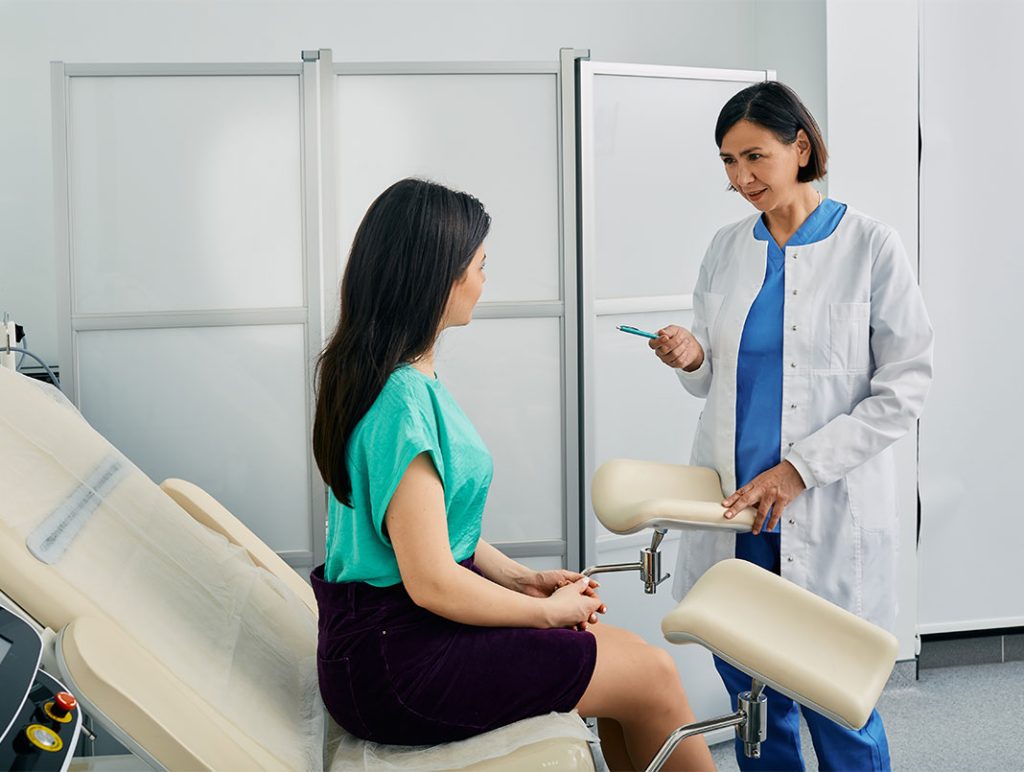
Sexual health screening equips women with the knowledge to control their well being so as to avoid silent diseases such as STIs and cancers that claim the lives of millions every year. Check-ups prevent problems early in their occurrence, reducing complications up to 90 percent when accompanied by treatment. Finally, in addition to physical examination, they promote open communication with providers and normalization of discussions on intimacy and prevention. Begin now–learned nothing is as good defense.
Core Screenings for STIs
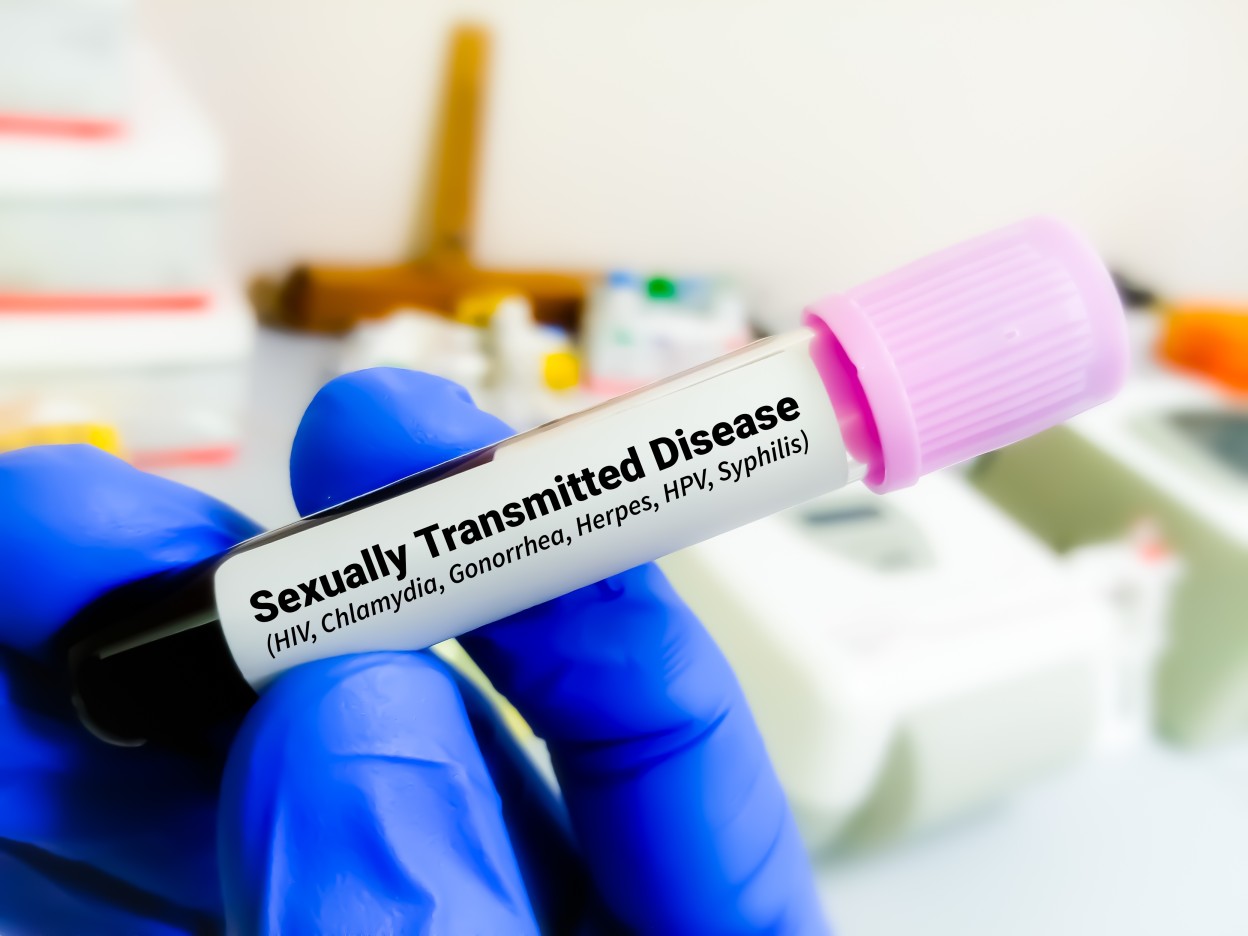
Chlamydia and gonorrhea are priority, which is usually asymptomatic with fertility-threatening consequences. Women who are sexually active and under 25 years old should receive annual urine or swab examinations; those over 25 years who have new/multiple partners or do not use condoms regularly should do so. CDC encourages high-risk pregnant women to screen during the first visit and 3 rd trimester. Re-test after 3 months of treatment to ensure that it is clear. Pro tip: Use with HIV testing ages 13-64- quick blood tests are used to identify early.
Cervical Cancer and HPV Vigilance

Pap smears identify precancerous cells; begin at age 21 years, every 3 to 30 years, and then co-test with HPV every 5 years (to age 65). USPSTF confirms 30-65 is the best when using HPV alone- persistent strains are the cause of 90 percent cases. High-risk? Annual cytology. Pregnant women smoothly become a part of prenatal care. Action: Record findings; red flags give rise to colposcopy to be on the safe side.
Other Key STI Checks
Syphilis with blood test is applicable to all pregnant women at the initial stage of prenatal; high-risk, repeat at 28 weeks. Screening of individuals with risky partners or exposures to Hepatitis B -vaccinate anybody who tests negative. HSV serology in symptomatic or multi-partner women without the use of routine pregnancy. In case of persistent discharge, trichomoniasis should receive wet mount or NAAT. Individualize behaviorally: MSM partners increase rectal/gonorrhea care.
Risk Factors to Flag
Repeated/new partners, irregular barriers, partner STDs, exchange related to drugs, or imprisonment history or uneven condom use indicates urgency. Independent risk factors include young age (under 25) which means that biology prefers easy transmission. Monitor cycles through apps; any irregular bleeding or pain causes instant consultations.
Making Screening Accessible
Telehealth services such as Planned parenthood have at-home kits, such as discreet urine/STI panels mailed back. Free/low-cost through community clinics, HRSA-funded locations or employer wellness. Prep: Pee before, no douches/sperms 48 hours before. Talk about birth control, vaccines (HPV 9-45 years), PrEP in case of exposure.
Lifestyle Ties to Prevention
Screening supplements habits: Condoms reduce transmission 80% vaccines protect HPV/hepatitis. Annual gynecologist coincides with mammograms above 40. Another one is partners testing– mutual monogamy after clearance ideal.
Overcoming Hesitations

Stigma silences- 1 out of 5 women miss out of embarrassment. Practicing non judgmental care, bring a friend in case you are nervous. Normalize: 70 per cent of adults are infected with STIs in their lives-screening takes back control.
Action Plan
Schedule baseline now: Under 25? Yearly chlamydia/gonorrhea. 30-65? HPV/Pap cycle. Family history; promote visits. Fertility, futures, are saved by early detection.
Sexual health screening is not a choice but a power process. Make it a priority; succeed without fear.