Book Appointment Now


HPV Co-Testing With Pap Smear: What It Reveals
Understand HPV co-testing with Pap smears: what it reveals about cervical health, how testing is done, and what your results mean for preventing cancer.
Navigating sexual health information can be confusing, especially when it involves complex screenings like the Pap smear and HPV co-testing. Many women wonder what these tests actually reveal, how they differ, and what to do if an abnormality is found. Understanding these vital diagnostic tools is essential for proactive cervical health and preventing more serious conditions.
You’re not alone in seeking clear, evidence-based answers. Regular screening is a cornerstone of women’s health, designed to catch potential issues early. This knowledge empowers you to make informed decisions about your well-being. Here at Lesbian STD, we provide medically reviewed, research-based content to guide you through these crucial health topics, ensuring you have the autonomy to manage your sexual health effectively.
The Pap smear and HPV co-test work together to offer a more complete picture of your cervical health. We’ve previously covered the basics of Pap Smear Explained: What Happens and Why It Matters, but understanding how the HPV test enhances this screening is key to reducing the risk of cervical cancer complications.
Pap Smear vs. HPV Test: What’s the Difference?
While often performed together, a Pap smear and an HPV test serve distinct purposes. A Pap smear, also known as a Pap test or cervical cytology, looks for abnormal cells on the cervix that could indicate precancerous changes or cancer. The HPV test specifically checks for the presence of human papillomavirus, a common sexually transmitted infection that can cause these cellular changes.
Think of it this way: the Pap smear identifies the “damage” (abnormal cells), while the HPV test identifies the primary “cause” (the virus). The Centers for Disease Control and Prevention (CDC) explains that HPV is so common that nearly all sexually active men and women get it at some point in their lives, but certain types are high-risk for cervical cancer. For women over 30, co-testing, which combines both tests, is recommended by the American Cancer Society as a primary screening method, offering a more sensitive detection of potential cervical abnormalities.
How Is HPV Test Done in Females?
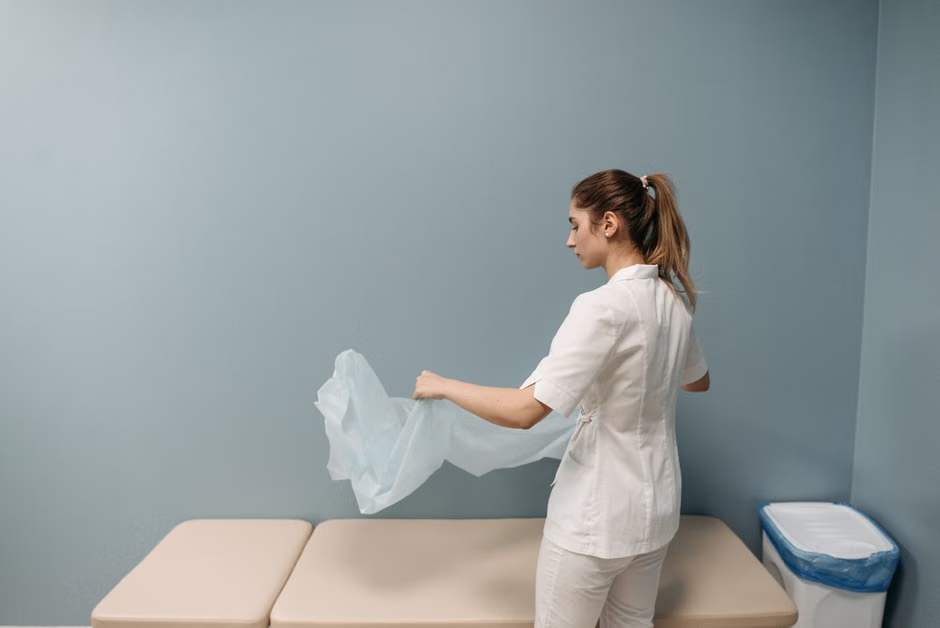
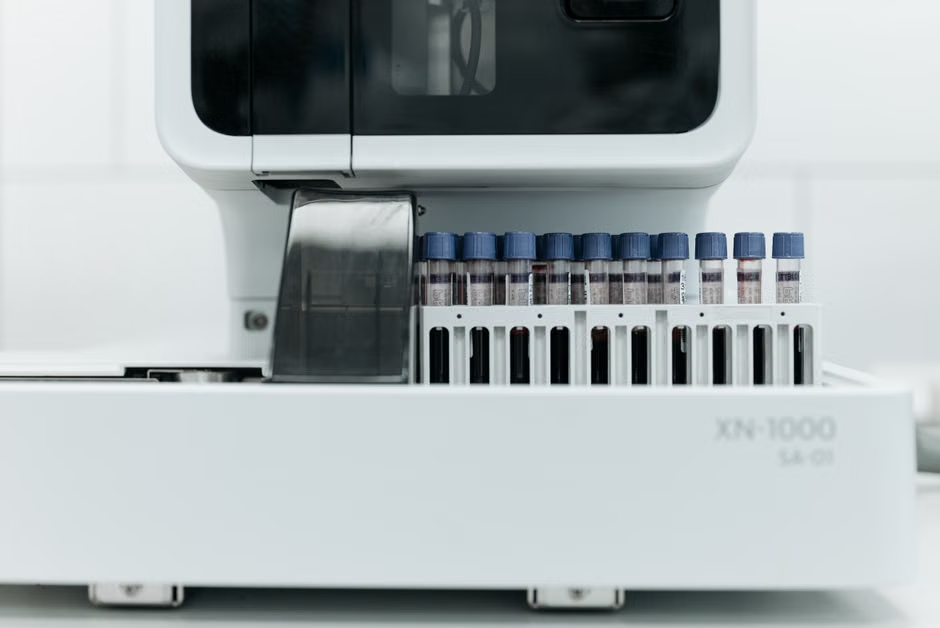
The HPV test is typically done alongside a Pap smear during a routine gynecological exam. Your healthcare provider collects a sample of cells from your cervix using a small brush or spatula, just as they would for a Pap test. This sample is then sent to a laboratory to be analyzed for the DNA of high-risk HPV types.
The process is quick and generally involves minimal discomfort. In our clinical practice, we ensure a clear explanation of each step, aiming to make the experience as comfortable and straightforward as possible. For some women, particularly those under 30 with abnormal Pap results, HPV testing might be used as a “reflex” test on the same sample rather than as initial co-testing. Pro tip: Discuss with your provider which screening approach is right for your age and risk factors.
What Happens if HPV is Detected in a Pap Smear?
If your HPV test is positive, it means you have one or more high-risk types of the human papillomavirus. This does not automatically mean you have cancer. A positive HPV test, especially when accompanied by an abnormal Pap smear, usually prompts further evaluation, such as a colposcopy, where a magnified view of the cervix allows the provider to examine any abnormal areas more closely and take biopsies if needed.
We know a positive HPV result can be concerning, but it’s important to remember that most HPV infections clear on their own. Our board-certified providers recommend following up with your healthcare team to discuss the specific HPV types detected and the next steps based on your individual results. As we explain in our guide to HPV Testing Results Explained: What Your Results Mean, understanding your specific results is key to managing your cervical health proactively.
“The vast majority of HPV infections resolve spontaneously within one to two years without causing any problems. However, persistent infection with high-risk HPV types is necessary for the development of cervical precancer and cancer.”
This highlights why ongoing monitoring and follow-up are critical, even if initial findings aren’t severely abnormal. The goal is to detect and treat precancerous changes before they progress.
What are 5 Warning Signs of Cervical Cancer?
While Pap and HPV co-testing screens for early changes, it’s vital to be aware of potential warning signs that might indicate more advanced cervical cancer. These symptoms often don’t appear until the cancer has progressed, which underscores the importance of regular screening even when you feel well. If you experience any of these, contact your healthcare provider promptly.
- Unusual vaginal bleeding: Bleeding after sex, between periods, or after menopause.
- Pelvic pain: Pain during sex or at other times that isn’t related to your menstrual cycle.
- Unusual vaginal discharge: Watery, bloody, or foul-smelling discharge that is not typical for you.
- Painful urination: Discomfort or burning during urination (though this can also indicate other conditions like a UTI).
- Swelling in one leg: In advanced cases, cancer can press on nerves or blood vessels, leading to leg swelling.
These symptoms require medical evaluation. Early detection through screening is the best way to prevent these signs from ever developing. Jenna Hardy, the primary author and voice of Lesbian STD, continually reinforces the need for self-advocacy in healthcare decisions.
Nuanced Suitability: When Co-Testing is Recommended and When it’s Not
Co-testing is a powerful tool, but it’s not universally recommended for all age groups. For instance, the American College of Obstetricians and Gynecologists (ACOG) and the U.S. Preventive Services Task Force (USPSTF) recommend cervical cancer screening start at age 21 with a Pap test alone. For women aged 21-29, primary HPV testing is generally not recommended, though HPV testing can be used reflexively for abnormal Pap results.
For women aged 30-65, co-testing (Pap test and HPV test together) every five years is the preferred screening method, or a Pap test alone every three years. There are specific guidelines for women who have had a hysterectomy with cervical removal or those who are immunocompromised. It’s crucial to discuss your personal health history, including any prior abnormal results or HPV diagnoses, with your provider to determine the most appropriate screening schedule for you.
While co-testing is highly effective for cervical cancer screening, it’s not the right test for all forms of HPV-related cancers or conditions. For example, it doesn’t screen for anal, oral, or genital warts caused by low-risk HPV types. If you’re concerned about other HPV-related conditions or symptoms, other diagnostic approaches might be necessary.
“Cervical cancer screening recommendations are dynamic and informed by robust evidence, aiming to maximize benefits while minimizing potential harms such as overtreatment. Adherence to current guidelines is critical for effective prevention.”
Realistic Expectations and What to Expect After Testing
After your Pap and HPV co-test, you can expect to receive results within a few days to a couple of weeks. If both your Pap smear and HPV test are negative, you’ll generally follow up with routine screening as recommended by your age and health history, typically in 3 to 5 years. This provides significant peace of mind for an extended period.
If your results show abnormalities, further steps depend on the specific findings. This might include repeat testing in 6-12 months, a colposcopy, or other targeted procedures. It’s important to keep your follow-up appointments. Remember, an abnormal result doesn’t mean cancer; it means your provider needs to investigate further to ensure any precancerous changes are managed before they become a serious health threat. We’ve seen firsthand how consistent follow-up can reduce complications significantly.
Practical Tips for Cervical Health and Screening
- Understand Your Schedule: Know when you’re due for your next Pap and HPV co-test based on current guidelines for your age and risk factors.
- Practice Safer Sex: While HPV is extremely common, using barrier methods like condoms and dental dams can help reduce transmission, though they don’t offer complete protection.
- Consider HPV Vaccination: The HPV vaccine is highly effective in preventing infection with the types of HPV that cause most cervical cancers, as well as many other HPV-related cancers and genital warts. It’s recommended for adolescents and young adults.
- Don’t Ignore Symptoms: If you experience unusual bleeding, discharge, or pelvic pain, speak with your healthcare provider regardless of your last screening results.
- Communicate with Your Provider: Be open about your sexual history and any concerns. Your provider can offer tailored advice and screening recommendations.
- Educate Yourself: Continue to seek evidence-based information from reliable sources like Lesbian STD to stay informed about your sexual health.
Understanding HPV co-testing with a Pap smear is a powerful step toward proactive health management. By staying informed, adhering to screening guidelines, and communicating openly with your healthcare provider, you equip yourself with the best defense against cervical cancer. Don’t delay your screenings; they are a simple yet vital part of your overall well-being and empower you to live a healthier life.